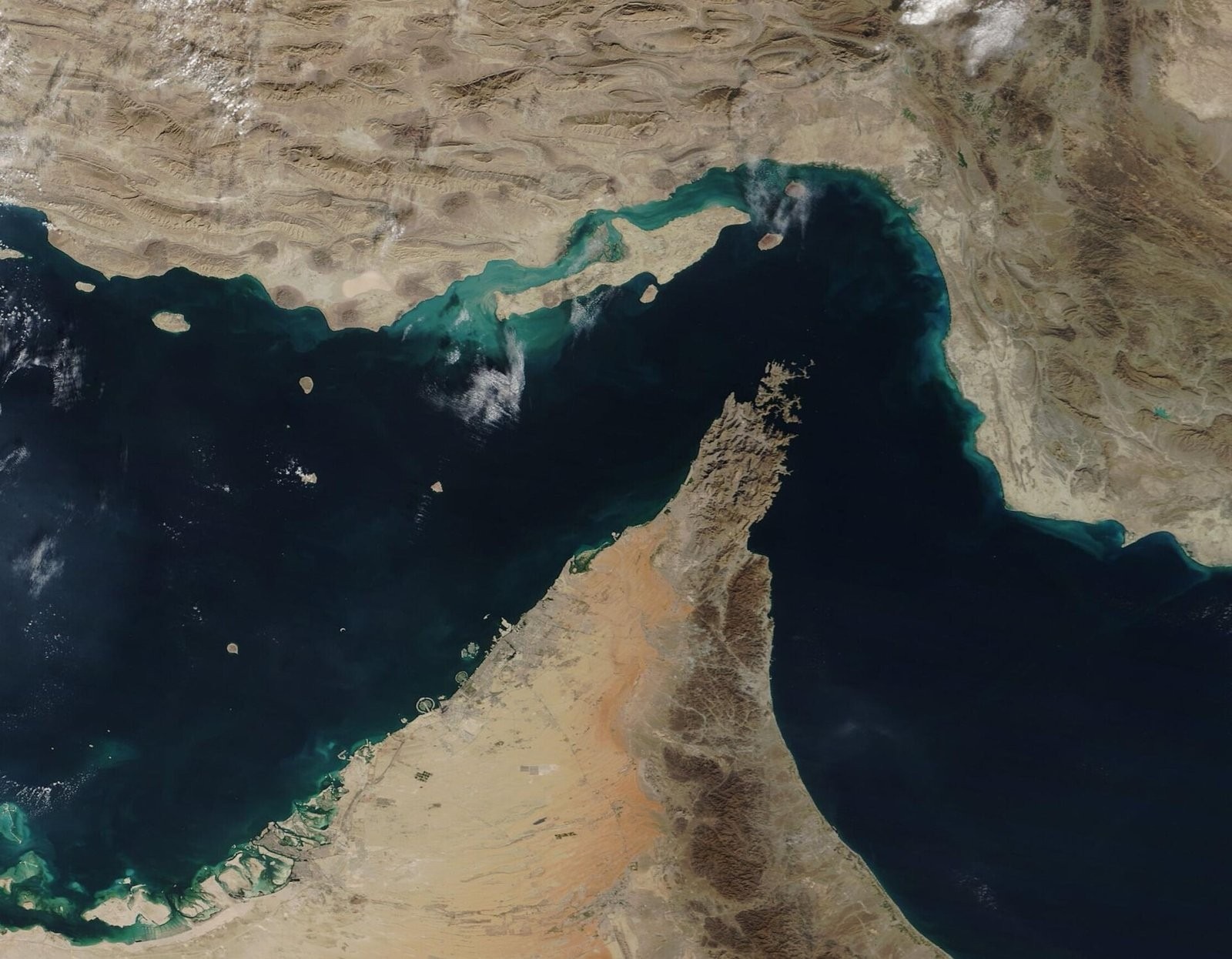
Iran–U.S. Hormuz talks continue via Qatar as Trump vows quick ‘win’
Iran’s foreign minister met Qatari mediators in New York while Trump said U.S. negotiators spoke through go-betweens. Both sides still disagree on nuclear sequencing and sanctions.
Indirect U.S.–Iran talks over reopening the Strait of Hormuz carried into Tuesday after Iranian Foreign Minister Abbas Araghchi met Qatari mediators in New York and President Donald Trump confirmed that U.S. officials had spoken with Iranian counterparts through intermediaries. Al Jazeera and India Today reporting on September 29 describe continuing shuttle diplomacy even after Trump publicly rejected Tehran’s seven-day Hormuz package over the weekend.
Araghchi, cited by Iran International and state channels, said Tehran is awaiting a formal U.S. response — possibly by midweek — and rejected speculation that Iran had softened its conditions. Those conditions, as outlined at last week’s U.N. gatherings, tied a strait reopen to lifting the U.S. naval blockade, releasing frozen funds, and easing oil-related sanctions before deeper nuclear talks. A U.S. official speaking to Al Jazeera called recent exchanges “positive and constructive” but said there would be no end-of-war agreement unless Iran’s nuclear program is addressed. Trump, speaking to reporters Monday, said “We’re going to win” and predicted the conflict would move “pretty quickly,” while also warning that more strikes before the November midterms remain possible.
The Hormuz chokepoint has kept oil markets on edge; financial desks overnight flagged Brent above $106 after the public reject. Mediators in Doha — with Pakistan also in the channel earlier — are still trying to bridge sequencing: Washington wants nuclear progress before broad sanctions relief; Tehran wants economic and blockade steps first. Readers should treat “talks this week” as active diplomacy, not a signed ceasefire. Watch for Qatar’s relay of a formal U.S. reply, any kinetic escalation, and whether Trump’s Truth Social denial of an Axios sanctions-relief framing hardens the public gap even as private messages continue.
Where outlets agree Al Jazeera, India Today, Examiner, and NY Post agree indirect talks continue after Trump rejected Iran’s seven-day Hormuz plan.
Where they differ Washington ties any deal to nuclear progress first; Tehran says its Hormuz conditions have not softened and blames delayed formal U.S. replies through mediators.