EV share soft as tax credit end meets CAFE rewrite
Edmunds recently put EVs near 6.5% of new sales. The expired $7,500 credit and looser CAFE rules reshape the electrification business case.
Edmunds data cited in Monday CAFE packages put battery-electric vehicles around 6.5% of U.S. new sales in February, down from 7.4% for all of 2025. The fade coincides with the end of the up-to-$7,500 consumer EV tax credit and a regulatory turn that no longer pushes fleet averages toward a ~50 mpg path.
Dealers report shoppers comparing monthly payments more than long-run fuel savings while gasoline sits near $4.50. That is a tough sell environment for higher-priced EVs even when energy prices are elevated — sticker and rate math dominate. Hybrids may capture some efficiency demand without full battery premiums.
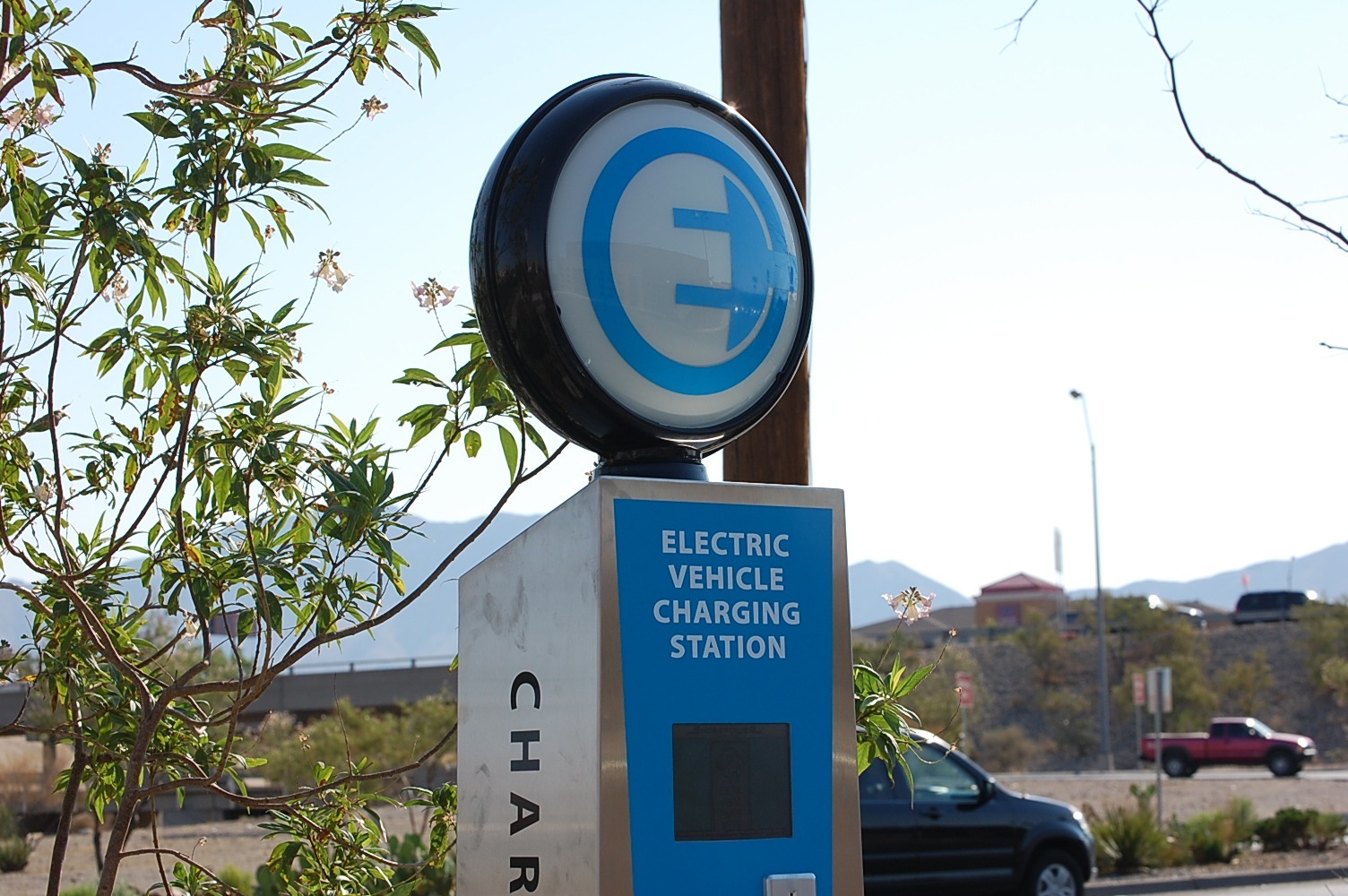
Charging networks and utilities still invest against a multi-year adoption curve, but near-term volume forecasts are being revised. Watch Q3 auto earnings for EV mix commentary, inventory days’ supply on lots, and any state incentive patches that try to replace the federal credit.
AP-cited Edmunds figures and policy reporting agree EV share softened as credits ended and CAFE loosened.
EV advocates blame policy whiplash; skeptics say the market is simply revealing weaker demand without subsidies.
Named reporting on this item includes Associated Press, Washington Examiner, and FinancialMarkets.com. Prefer those links and primary documents over undated social clips when details shift.
Edmunds recently put EVs near 6.5% of new sales. The expired $7,500 credit and looser CAFE rules reshape the electrification business case.
Market moves can reverse quickly around data prints and policy headlines; this briefing sticks to what publishers have already put on the record overnight.
Details on this Business item can still move during Tuesday dayparts; prefer the linked outlets when a number or meeting time changes.
Where outlets agree AP-cited Edmunds figures and policy reporting agree EV share softened as credits ended and CAFE loosened.
Where they differ EV advocates blame policy whiplash; skeptics say the market is simply revealing weaker demand without subsidies.