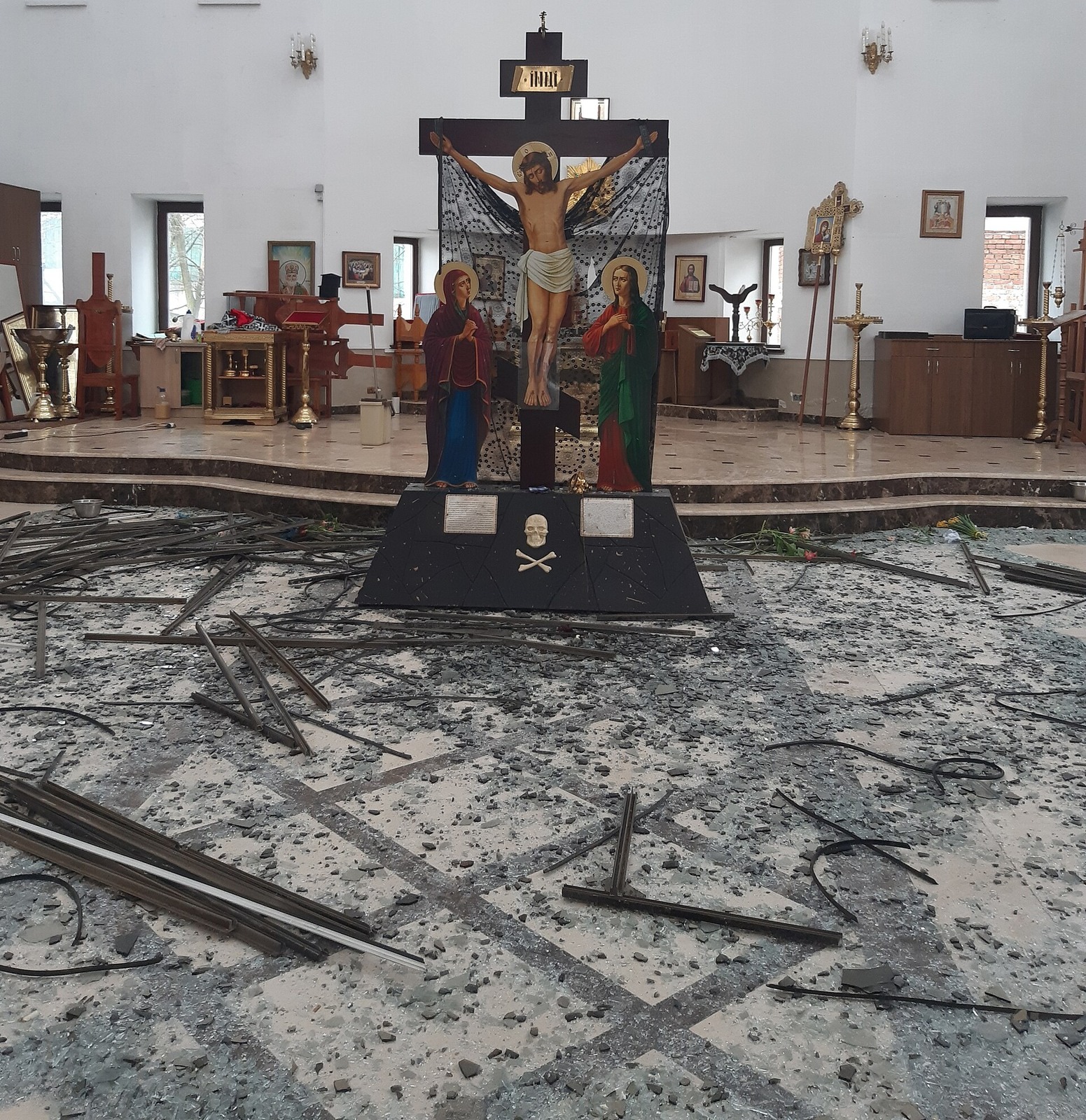
Russian strikes kill eight across Ukraine; Kyiv hit again
Russian strikes killed at least eight people across Ukraine and hurt dozens more. Kyiv reported fresh drone damage at a gas station and offices.
Russian strikes killed at least eight people and injured dozens across Ukraine, Al Jazeera reported Monday, as President Volodymyr Zelensky said more than 2,200 drones had been launched at the country in the past week. Local Ukrainian outlets described a fresh Kyiv wave that damaged a gas station and an office building among other sites, continuing a pattern of overnight drone and missile pressure on the capital and regional cities that has defined the long war’s recent months.
The tempo matters beyond a single night’s casualty count. Sustained drone mass forces Ukraine to spend scarce interceptors and keeps repair crews on urban energy and civilian sites. Zelensky’s weekly drone tally, if accurate, underscores how cheap one-way aircraft have become a primary tool of Russia’s campaign. Air-alert fatigue in Kyiv and other cities is now a structural part of daily life rather than a rare emergency — schools, clinics, and transit adjust around sirens as much as around schedules.
International coverage tied the strikes to an unfinished diplomatic track — no ceasefire is in force, and winter energy targeting fears rise each autumn as heating demand climbs. For readers, the verified overnight facts are the death toll range, the Kyiv infrastructure hits reported by local desks, and the presidential drone-volume claim. Independent confirmation of every local impact site will continue through Ukrainian regional administrations and wire photographers as daylight assessments land and rescue work finishes.
Humanitarian desks continue to track power and water restorations after overnight hits, because civilian harm often shows up in utility outages as clearly as in the first casualty counts.
Where outlets agree Al Jazeera and Ukrainian local reporting agree a deadly nationwide strike wave included fresh damage inside Kyiv.
Where they differ Exact site-by-site damage tallies still vary as regional officials update daylight counts.