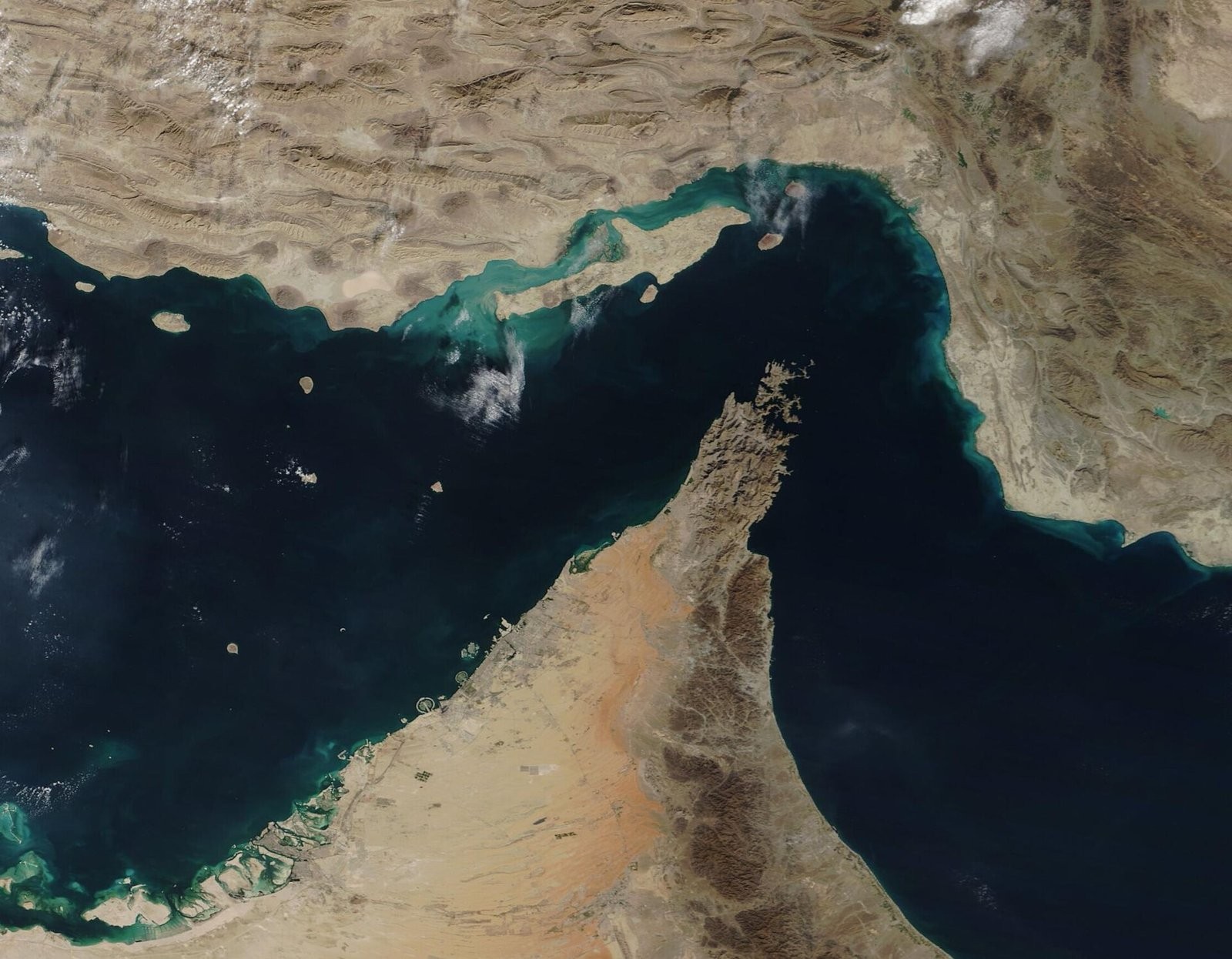
Hormuz risk keeps global oil transit on edge
The Strait of Hormuz remains the energy chokepoint at the center of the U.S.–Iran war’s market impact. Trump’s reject of a reopen plan kept risk premiums firm.
The Strait of Hormuz is again pricing like a war zone rather than a routine transit lane. Trump’s rejection of Iran’s reopen proposal, plus Tehran’s refusal to soften terms, left traders without a near-term de-escalation path. average gasoline print shows the household end of that risk. Insurers, shipowners, and refiners watch notices to mariners and naval escorts as closely as summit language. Partial transit, convoy schemes, or temporary reopen windows have historical precedent; none were verified overnight as a done deal. Non-oil states still feel food and fertilizer freight costs when war-risk surcharges climb. That is why mediators keep working even after public rejects. Energy desks and political wires agree Hormuz risk remains elevated after the rejected reopen plan. How much of the gas spike is war premium versus refining seasonality is still debated. The Strait of Hormuz remains the energy chokepoint at the center of the U.S.–Iran war’s market impact. Trump’s reject of a reopen plan kept risk premiums firm.
Associated Press energy desks and New York Post political wires agree Hormuz risk remains elevated after Trump rejected Iran’s reopen terms, keeping global oil transit on edge. How much of the gas spike is war premium versus refining seasonality is still debated.
The Strait’s share of seaborne crude means even a diplomacy stalemate reprices freight and gasoline narratives worldwide. AAA’s $4.47 Sunday national average is the household dashboard for that risk, while tanker schedules and insurer war-risk premiums tell the maritime side of the same story.
Insurers and shipowners price that edge into war-risk premiums long before diplomats announce a breakthrough — or admit one is not coming this week.
Where outlets agree Energy desks and political wires agree Hormuz risk remains elevated after the rejected reopen plan.
Where they differ How much of the gas spike is war premium versus refining seasonality is still debated.