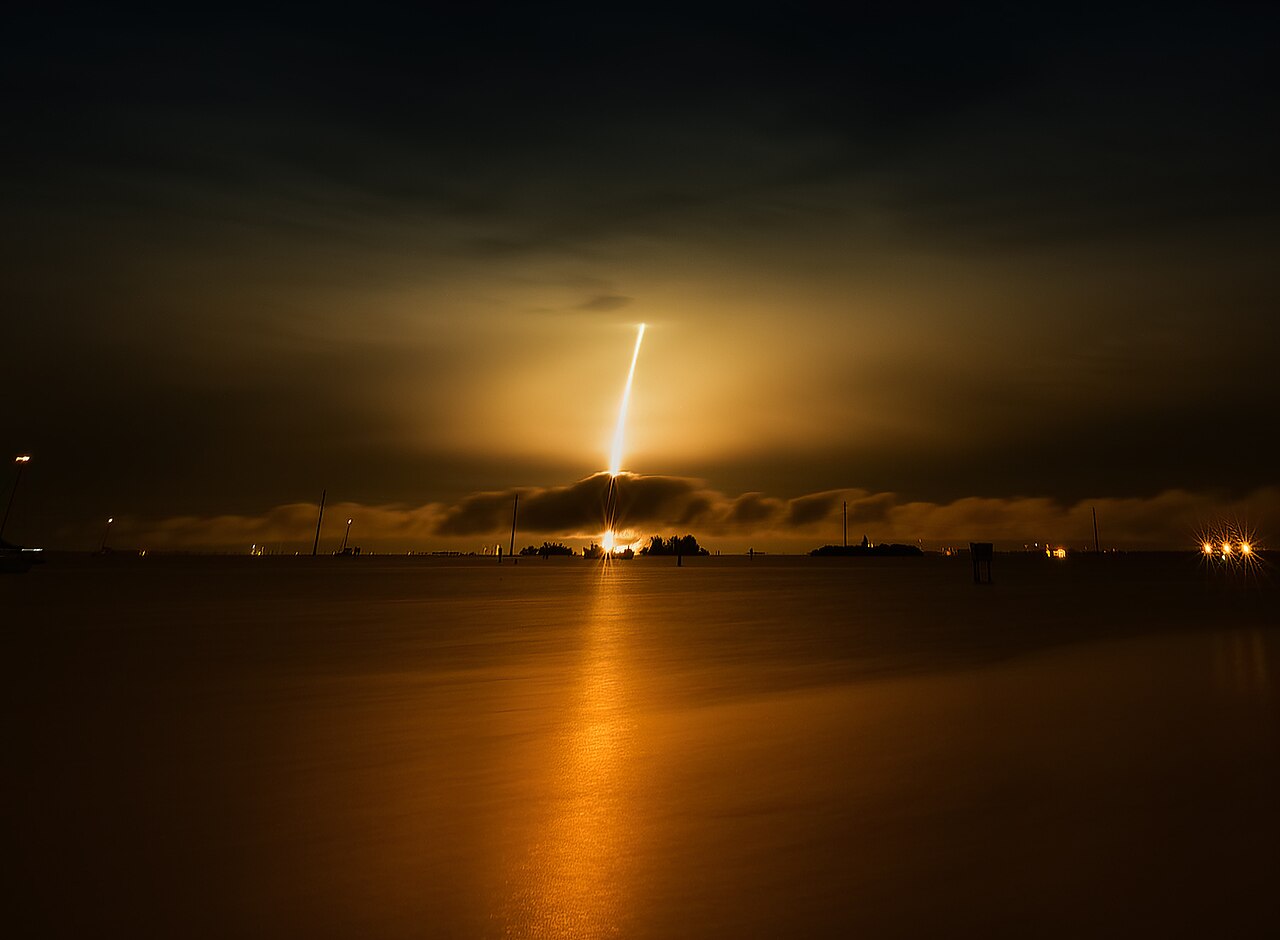
Flight 14 aims to loft first operational Starlink V3 sats
Starship Flight 14 is set to deploy 26 operational Starlink V3 satellites if it reaches orbit. SpaceX pitches each V3 bird at about 1 Tbps of capacity.
Beyond the orbital milestone itself, Flight 14’s payload story is Starlink V3. SpaceX says 26 operational V3 satellites would fly — each claimed around 1 Tbps of capacity, roughly 10× a Falcon 9 V2 mini load in company framing — with deploy beginning about 34 minutes after liftoff via a Pez-style door. Prior Flight 13 demo hardware did not remain on orbit. Operational V3 birds would begin a new capacity layer for the constellation if deployment and orbit-raising succeed. Competitors and regulators will watch RF filings and debris-mitigation claims as carefully as marketing Tbps. Livestream viewers should expect a long show: nearly 10 hours to Pacific splashdown if the timeline holds. SpaceX mission materials via Space.com/SFN agree V3 deploy is a core Flight 14 objective. On-orbit success still depends on the vehicle reaching and holding the planned orbit first. Starship Flight 14 is set to deploy 26 operational Starlink V3 satellites if it reaches orbit. SpaceX pitches each V3 bird at about 1 Tbps of capacity.
SpaceX pitches each V3 bird at about 1 Tbps of capacity.
Flight 14 aims to loft first operational Starlink V3 sats.
Spaceflight Now and Space.com, citing SpaceX mission materials, agree lofting the first operational Starlink V3 satellites is a core Flight 14 objective. On-orbit success still depends on the vehicle reaching and holding the planned orbit.
V3 capacity claims matter only after deploy and activation. Monday’s attempt is the flight test that decides whether those satellites leave the stack as hardware demos or as working constellation nodes.
Where outlets agree SpaceX mission materials via Space.com/SFN agree V3 deploy is a core Flight 14 objective.
Where they differ On-orbit success still depends on the vehicle reaching and holding the planned orbit first.