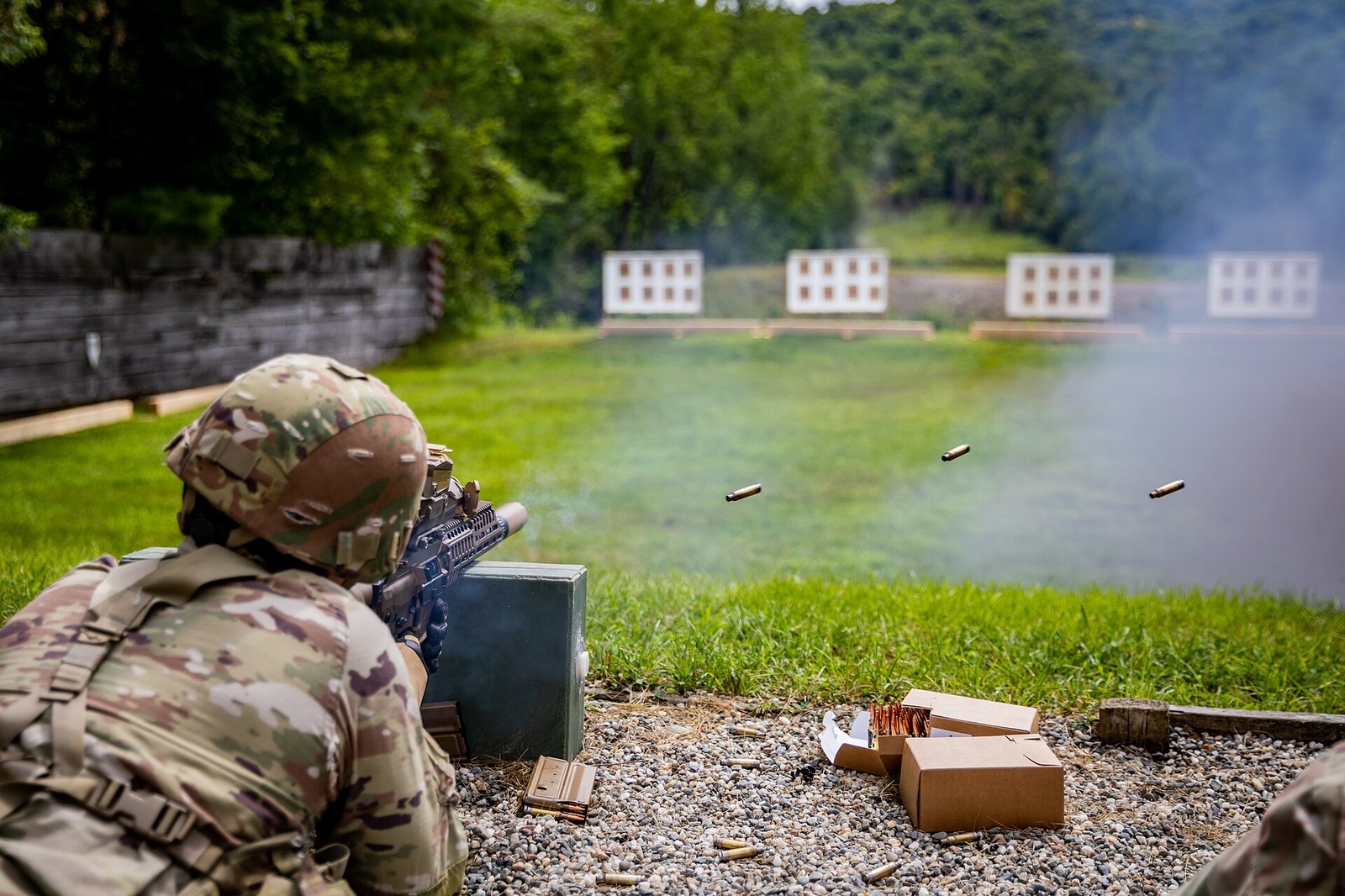
National Guard Chicago block still shapes deployment debate
Earlier Supreme Court resistance to a National Guard deployment into Illinois still shapes the legal backdrop. It is a separate caption from Monday’s 26A406 immigration stay fight on the Monday wire.
Earlier Supreme Court pushback against a Trump administration effort to deploy National Guard forces into Illinois remains part of the legal backdrop for any new domestic troop proposals. SCOTUSblog’s archive of that fight is distinct from Monday’s emergency immigration application 26A406 (DHS v. D.V.D.); the captions remain separate when summarizing Supreme Court emergency-docket wires.
The practical lesson from the Chicago/Illinois Guard litigation is that Posse Comitatus norms, state consent, and emergency-docket timing all constrain how quickly federalized forces can appear on city streets. Administration allies argue federal supremacy in immigration and crime emergencies; state officials and civil-liberties groups argue the Court already signaled skepticism about open-ended Guard use inside unwilling states.
The Guard Chicago block is settled enough to cite as precedent talk, while 26A406’s 4 p.m. Eastern response deadline is the live emergency clock. Any new Guard deployment claim needs a named docket, a governor’s statement, and independent outlet confirmation before it stands as verified news. SCOTUSblog and the Court docket system show the Guard Illinois fight and 26A406 are separate matters.
Allies still argue for assertive federal deployments; critics say the Court already cabined that theory in the Illinois case. Temporary emergency orders can leave the core deployment dispute intact for weeks after the first headline, which is why the Illinois Guard archive remains context beside Monday’s immigration stay deadline.
Earlier Supreme Court resistance to a National Guard deployment into Illinois still shapes the legal backdrop.
It is a separate caption from Monday’s 26A406 immigration stay fight on the Monday wire.
Where outlets agree SCOTUSblog and the Court docket system show the Guard Illinois fight and 26A406 are separate matters.
Where they differ Allies still argue for assertive federal deployments; critics say the Court already cabined that theory in the Illinois case.