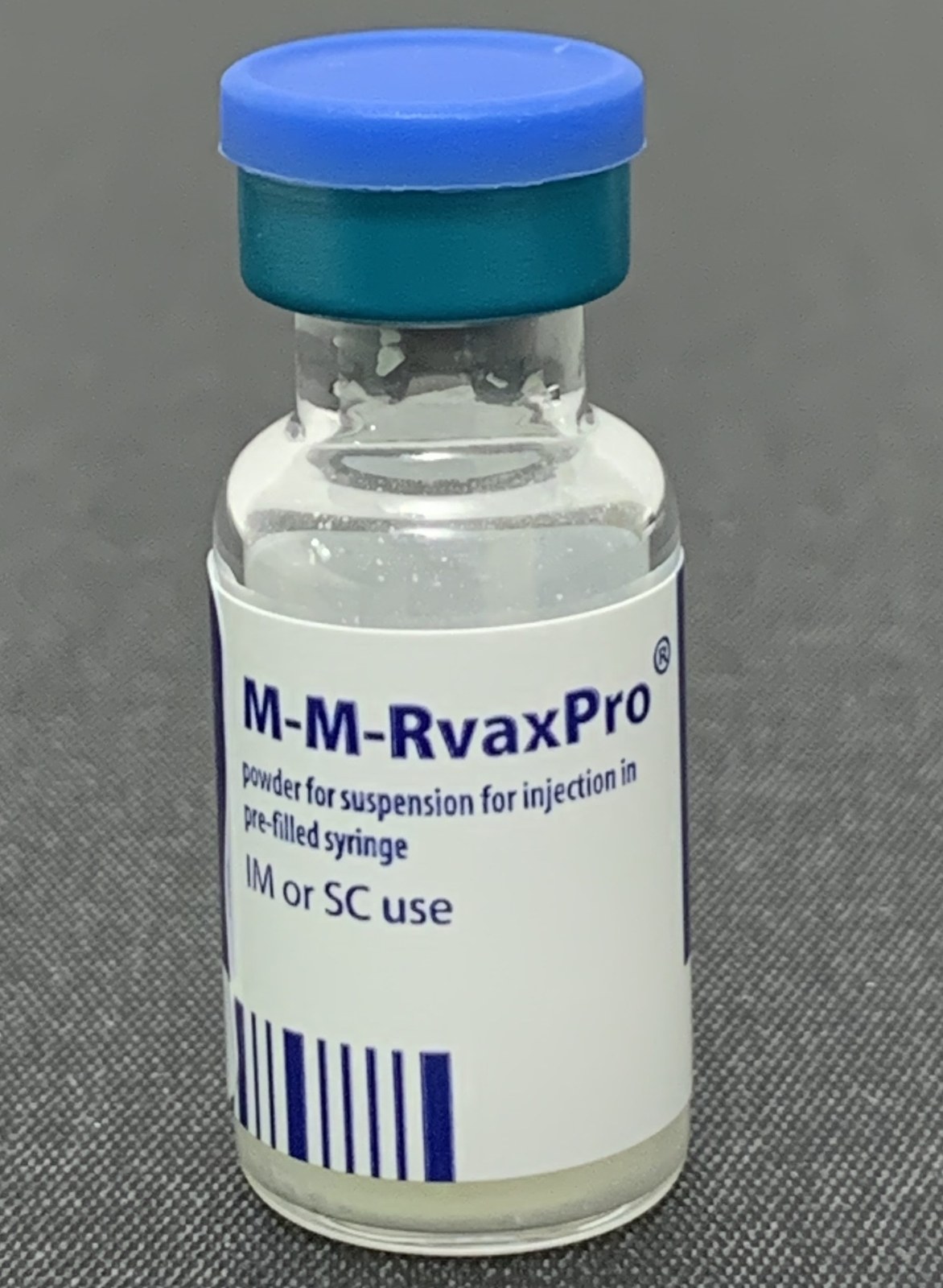
WHO: mobile teams push measles shots across Ukraine
WHO highlights mobile medical teams bringing measles vaccination to Ukrainian families. War logistics make fixed clinics harder to reach for many parents.
WHO’s feature on mobile measles vaccination teams in Ukraine explains a war-adapted public-health tactic: take MMR to families when fixed clinics are unsafe or unreachable. Conflict disrupts routine immunization schedules; mobile teams try to close those gaps before outbreaks widen. The work sits beside Russia’s strike campaign, which damages clinics and power. Health and kinetic stories are not separate for families living under both. Donors and ministries watch coverage percentages; WHO’s field notes remain operational color confirmed at the agency level. WHO and local Ukrainian health notes agree mobile MMR delivery is an active tactic. Coverage still varies by region depending on security and supply. WHO highlights mobile medical teams bringing measles vaccination to Ukrainian families. War logistics make fixed clinics harder to reach for many parents.
WHO and local Ukrainian health notes agree mobile MMR delivery is an active tactic.
The funding-vehicle versus enforcement-policy distinction already drawn in the file remains the key parsing point.
WHO and local Ukrainian health notes agree mobile MMR teams are an active tactic for pushing measles shots across regions where fixed clinics are disrupted. Coverage still varies by region depending on security and supply.
Mobile teams can close gaps that static cold-chain sites cannot reach during strike waves. The same week’s Mykolaiv dose delivery illustrates how supply and delivery tactics have to move together if outbreak response is to keep pace with transmission.
WHO mobile medical teams pushing measles vaccination across Ukraine still depend on local dose drops like Mykolaiv’s 1,700-vial transfer, because outreach without supply stalls as quickly as supply without outreach.
Where outlets agree WHO and local Ukrainian health notes agree mobile MMR delivery is an active tactic.
Where they differ Coverage still varies by region depending on security and supply.