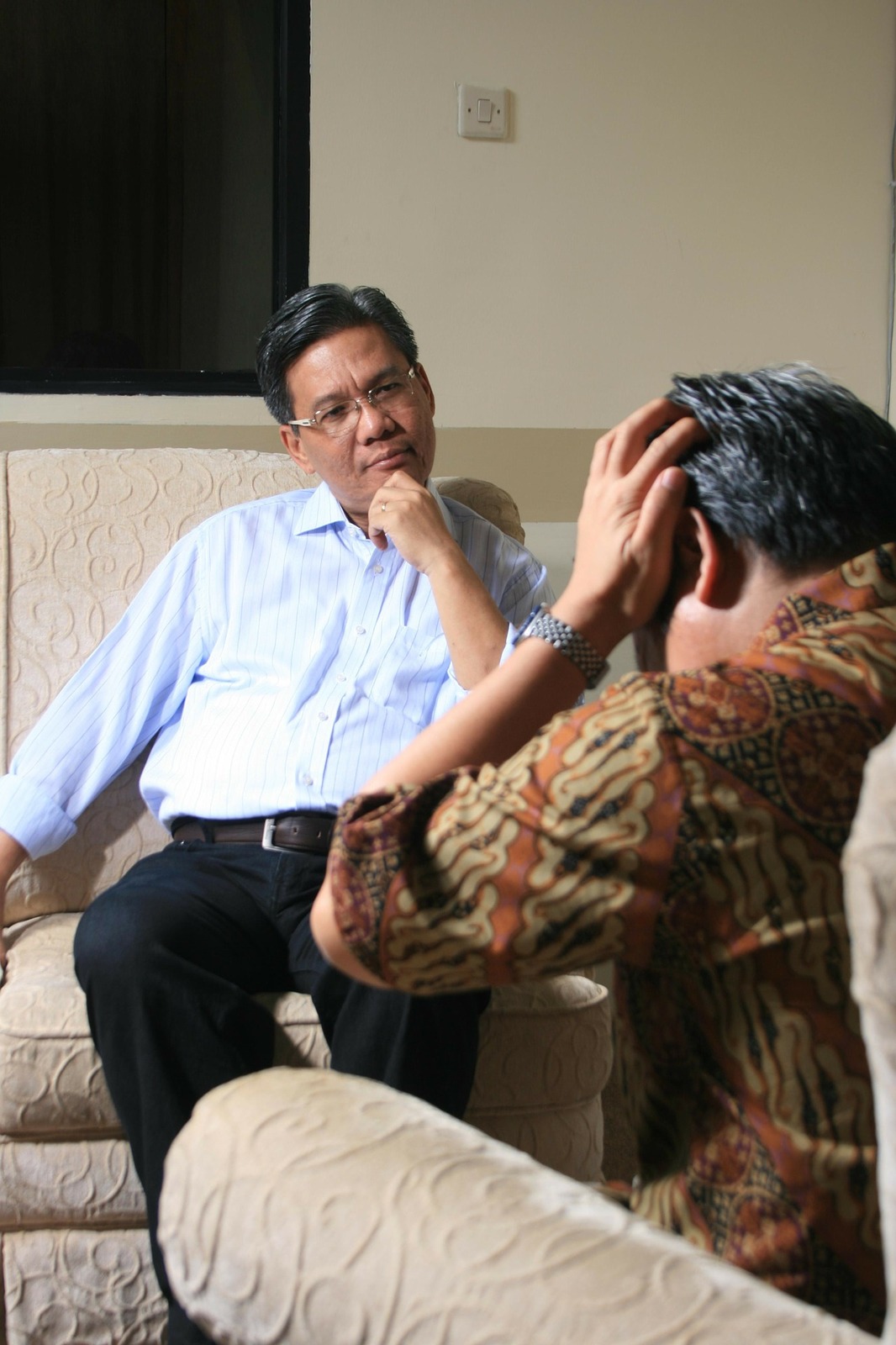
War-news cycle keeps mental-health load elevated for many
Continuous war coverage from Iran and Ukraine raises mental-health load for news consumers and diaspora families. Clinicians advise limits and trusted-source habits.
Dual war coverage — Ukraine’s deadly strikes and U.S.–Iran Hormuz fighting — keeps many readers in a high-alert information state. Diaspora families and veterans’ households often feel that load more sharply. Mental-health clinicians commonly recommend scheduled check-ins, trusted sources, and offline breaks. This is not a diagnosis of the public; it is a determinants note alongside hard-news leads. This site’s job is clarity, not doom. Readers who feel overwhelmed should use local crisis resources and primary care, not only social media coping memes. Pair doomscroll hygiene with concrete action where possible — donations to verified aid groups, not only refreshing live blogs. Global desks agree the war-news volume remains intense across multiple theaters. Individual mental-health impact varies widely; population claims need survey data. Continuous war coverage from Iran and Ukraine raises mental-health load for news consumers and diaspora families. Clinicians advise limits and trusted-source habits.
Al Jazeera and Reuters global desks agree the war-news volume remains intense across multiple theaters, keeping mental-health load elevated for many heavy news consumers. Individual impact varies widely; population claims need survey data, not anecdote alone.
Doomscrolling overnight strike videos and Hormuz alerts in the same feed compounds stress. Public-health advice still favors time-boxing intake and seeking care when anxiety or sleep disruption persists — without pretending every reader absorbs the cycle the same way.
Clinicians advising families who doomscroll Ukraine strike footage overnight keep stressing sleep, news limits, and when to seek care — practical mental-health steps that sit beside Al Jazeera’s civilian-toll reporting without replacing it.
Where outlets agree Global desks agree the war-news volume remains intense across multiple theaters.
Where they differ Individual mental-health impact varies widely; population claims need survey data.