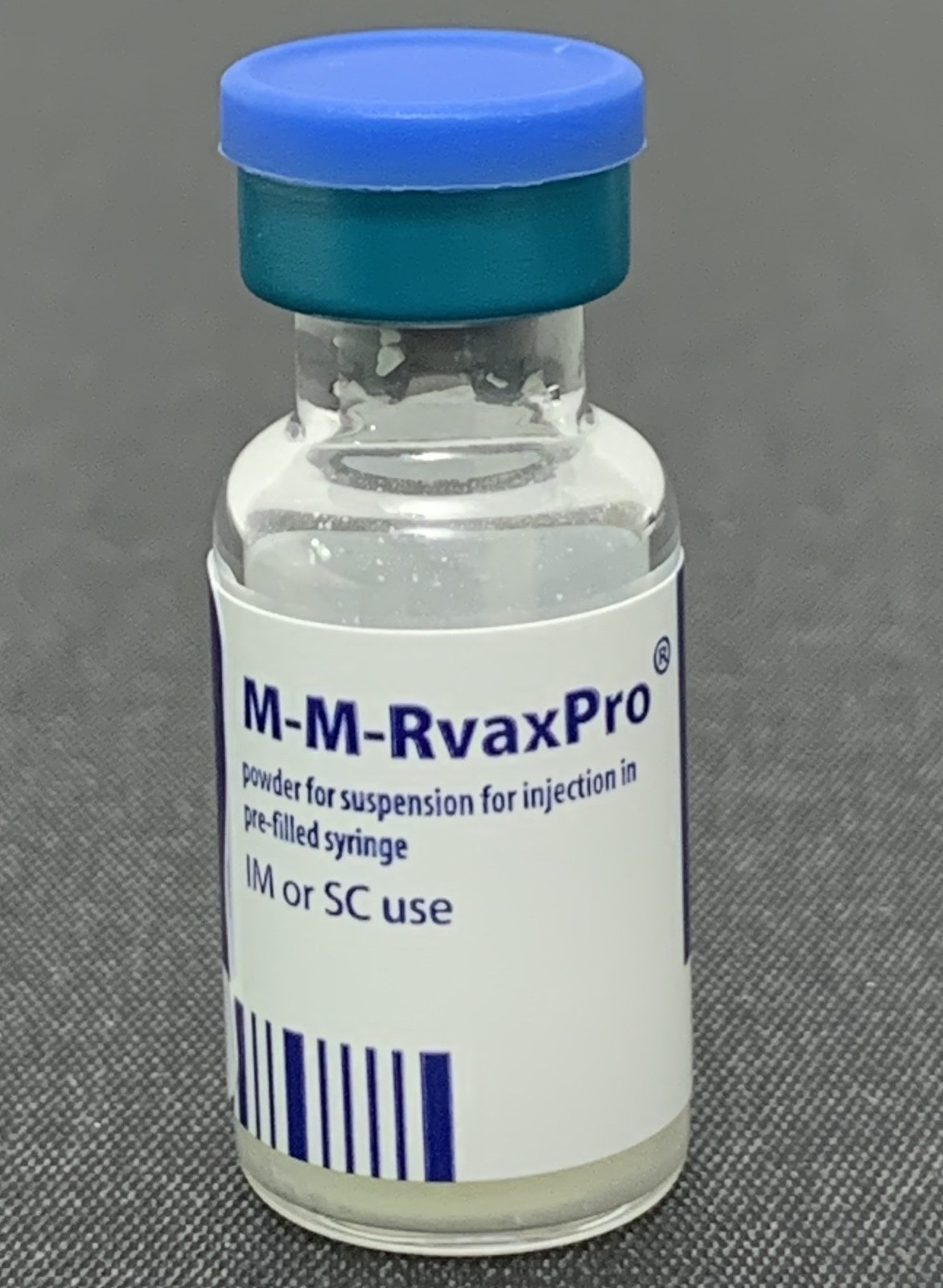
U.S. measles watch: state counts still diverge from CDC
U.S. measles tracking still shows gaps between some state tallies and CDC dashboards. Public-health desks continue to urge MMR coverage in outbreak counties.
Measles remains a carry public-health story into Monday because state and federal counts do not always match in real time. Prior This site coverage flagged CDC-versus-state gaps; that verification problem persists whenever local clusters move faster than national dashboards. MMR vaccination remains the primary tool. Outbreak counties often stand up extra clinics when schools report exposures. Parents should follow local health-department notices over viral maps with unclear sourcing. Internationally, Ukraine’s mobile vaccination work shows how conflict zones fight the same virus with different logistics. Health desks agree measles response still hinges on MMR coverage and timely local counts. national totals lag when states and CDC update on different clocks. measles tracking still shows gaps between some state tallies and CDC dashboards. Public-health desks continue to urge MMR coverage in outbreak counties.
measles watch: state counts still diverge from CDC,” as carried by WHO and Korabelov.
WHO guidance and Korabelov/local health notes, read alongside broader U.S. outbreak coverage, agree measles response still hinges on MMR coverage and timely local reporting even when state counts diverge from CDC dashboards. Exact U.S. national totals lag when states and CDC update on different clocks.
Clusters move faster than reconciled national tables. Measles tallies in the wire need a pull timestamp whenever CDC and local counts are cited together.
U.S. measles carry coverage still requires dual-source tallies because state provisional counts and CDC dashboards can diverge for days, a verification habit WHO Ukraine team notes and Mykolaiv’s 1,700-dose MMR transfer only reinforce from abroad.
U.S. measles tracking still shows gaps between some state tallies and CDC dashboards. Public-health desks continue to urge MMR coverage in outbreak counties.
Where outlets agree Health desks agree measles response still hinges on MMR coverage and timely local counts.
Where they differ Exact U.S. national totals lag when states and CDC update on different clocks.