Trump rejects Iran Hormuz plan; talks may resume this week
President Trump rejected Iran’s seven-day plan to reopen the Strait of Hormuz. He still says talks may resume this week. Tehran says it will not soften its terms.
President Donald Trump has publicly rejected Iran’s latest seven-day proposal to reopen the Strait of Hormuz and restart nuclear talks, while saying diplomacy is not closed. In a Sunday interview with Axios, Trump said Iranian terms look like something Washington might have accepted a year ago and that Tehran “overplayed” its hand. He still said he expects more talks with Iran this week.
U.S. Ambassador to the United Nations Mike Waltz, speaking on CNN’s State of the Union, framed the reject around sequencing: he said Iranian negotiators sought sanctions relief and other steps “up front,” while the administration wants assurances that talks would end Iran’s nuclear program. Iranian Foreign Minister Abbas Araghchi, cited by state media and international wires, said Tehran had not yet received a definitive U.S. reply through mediators Qatar and Pakistan and that Iran would not soften its conditions. Araghchi has also warned Tehran is prepared if fighting resumes — language outlets summarized as readiness for a “doomsday” war — even as Iranian officials keep saying diplomacy is the only durable path.
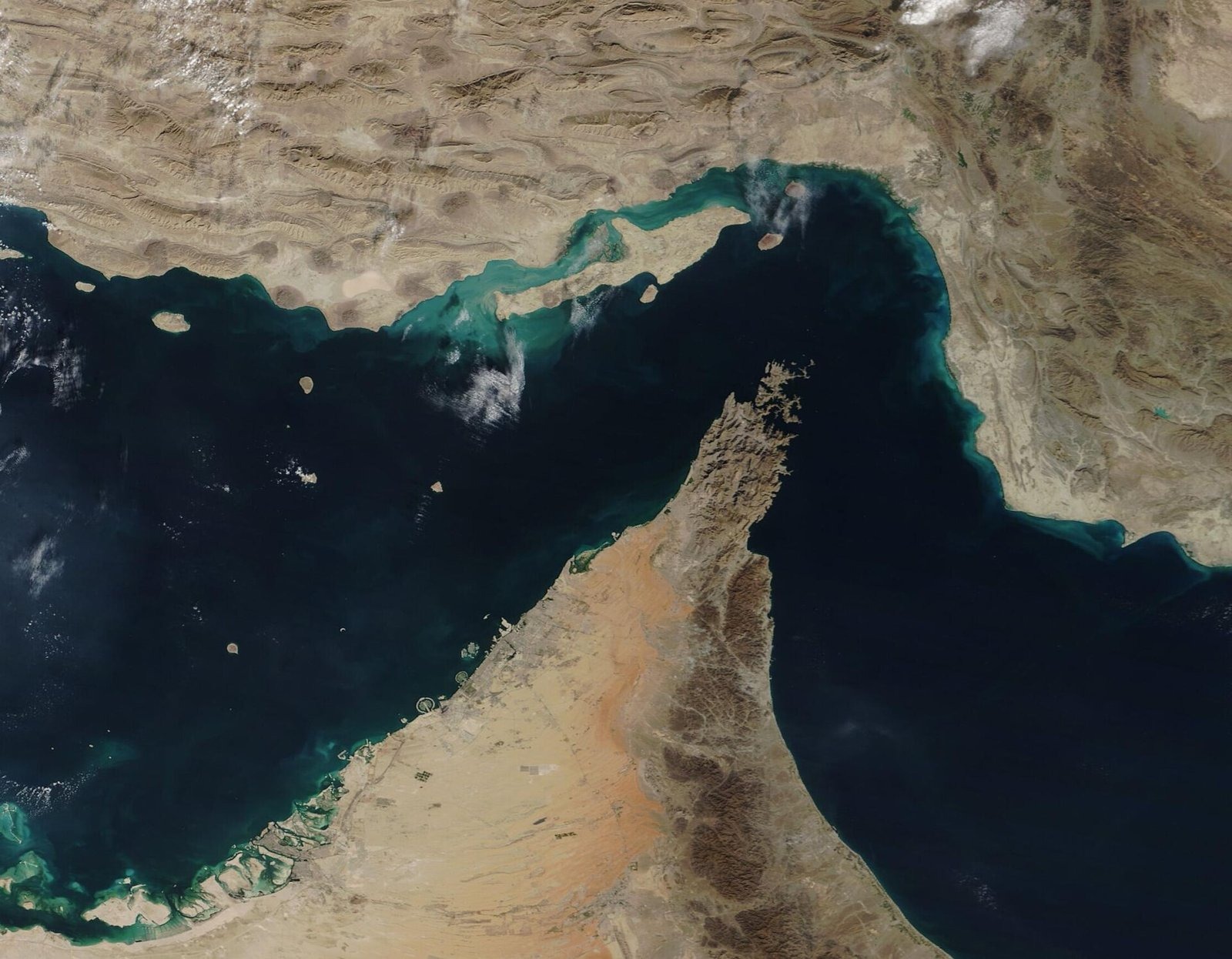
The Hormuz channel sits at the center of the fight. Iran’s reported package tied a strait reopen and nuclear talks to lifting a U.S. naval blockade, easing oil-related sanctions, and a broader ceasefire. Trump has said the United States is “winning tremendously,” told Fox he will not rule out more strikes, and has been reported as contemplating a harder campaign after the November midterms. Oil prices firmed after the public reject as traders priced renewed disruption risk through the chokepoint.
Mediators in Doha and Islamabad are still trying to narrow gaps. Axios sourcing has pointed to possible indirect talks as early as Monday. Any “deal this week” line remains a diplomatic expectation, not a signed roadmap — both capitals are still arguing over who moves first on sanctions, blockade, and nuclear guarantees.
Where outlets agree Examiner, NY Post, and Japan Times agree Trump rejected Iran’s seven-day Hormuz package while both sides still talk about more diplomacy this week.
Where they differ Washington frames Iran as demanding sanctions relief before real nuclear talks; Tehran says it will not soften conditions and blames the U.S. for silence through mediators.