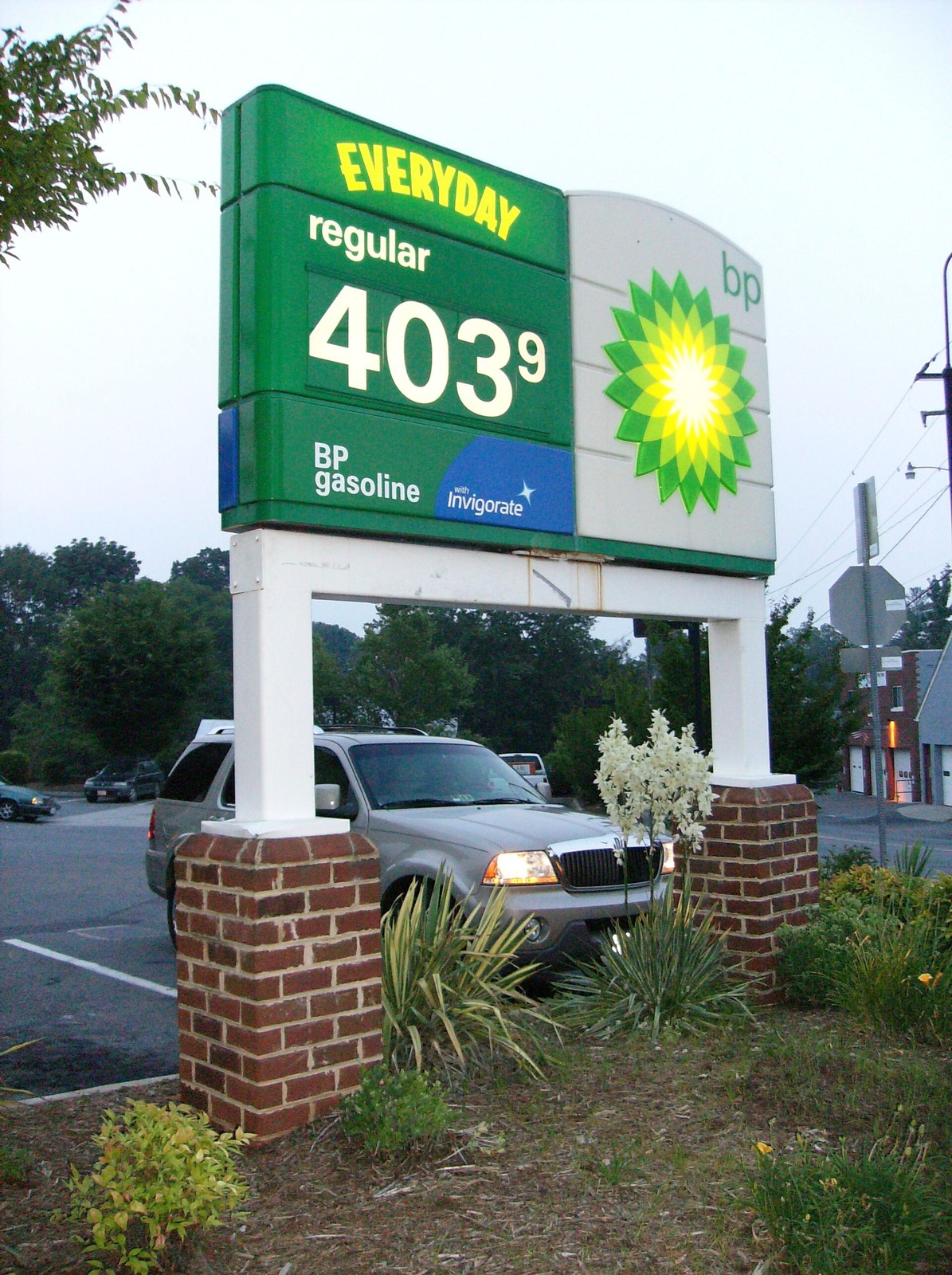
U.S. gas averages $4.47 as Hormuz war squeezes supply
AAA said the U.S. average gallon was $4.47 on Sunday, up from $4.09 a month ago. Much of the rise is tied to Iran war risk near Hormuz.
AAA put the national average price for a gallon of gasoline at $4.47 on Sunday, up from $4.09 a month earlier, according to Associated Press reporting bundled with the Monday CAFE preview. The climb lands as the U.S.–Iran war keeps traders focused on the Strait of Hormuz, the chokepoint for a large share of seaborne oil. Trump’s public rejection of Iran’s seven-day reopen proposal overnight reinforced risk premiums rather than calming them, and crude desks marked the tone as tighter supply risk into the new week.
Pump pain now intersects with policy: the administration is set to loosen fuel-economy standards that environmental groups say will lock in thirstier fleets, while households already face higher fill-ups and new-vehicle prices above $50,000 on Kelley Blue Book’s August average. Oil futures firmed after the Hormuz diplomacy sour note. Refiners and retailers pass crude moves through with lags, so a single Sunday AAA print is a snapshot, not a season forecast — regional averages still swing hard between Gulf Coast and West Coast racks.
For drivers, the practical read is simple: budget more per tank this week, watch whether Hormuz talks scheduled in diplomatic chatter actually produce a transit reopen, and treat any politician’s promise of rapid price relief as contingent on the war channel. State averages still vary widely; AAA’s national number masks cheaper and pricier pockets. Commuters and small businesses that live on diesel and gasoline will feel the squeeze first if the chokepoint stays contested through another week of rejected proposals and mixed diplomatic signals.
Where outlets agree AP/AAA and energy-risk coverage agree retail gas has climbed as Hormuz war risk stays elevated.
Where they differ How much of the spike is war premium versus seasonal refining is still debated among market desks.