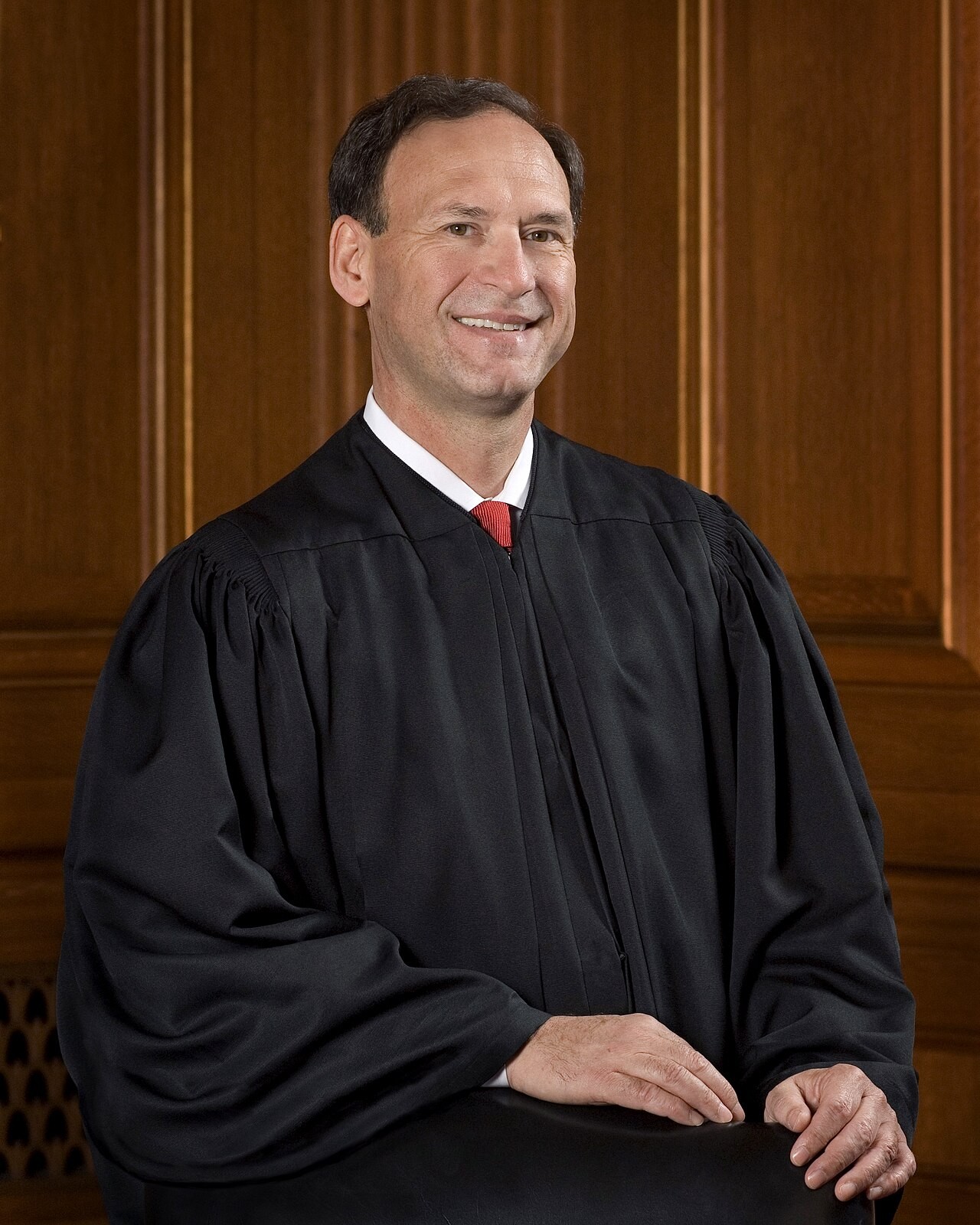
Alito steps aside in Suncor-Boulder climate case days before argument
Supreme Court Justice Samuel Alito will not participate in Suncor v. Boulder, a major climate lawsuit against oil companies, the clerk told lawyers Monday. Oral argument remains scheduled for Oct. 5.
Justice Samuel Alito will not continue to hear a high-stakes climate tort case against oil companies, the Supreme Court told counsel on Monday, less than a week before oral argument.
In a letter dated Sept. 28, 2026, Clerk of the Court Scott S. Harris informed lawyers in Suncor Energy (U.S.A.) Inc. v. County Commissioners of Boulder County, No. 25-170, that “Justice Alito has determined that he will not continue to participate in this case.” The letter gave no reason. The official docket for the case records the same notice.
The dispute is the first argument of the Court’s new term. It is set for Monday, Oct. 5, 2026. Oil companies Suncor and Exxon Mobil are asking the justices to block Boulder, Colorado’s state-court lawsuit seeking to hold them liable for climate-related harms. Boulder sued in 2018. The companies argue federal law preempts such claims and that cities cannot use state courts to reshape national energy policy. Boulder says it can pursue damages for local injuries. The Court’s ruling will not itself award damages; it will decide whether those lawsuits may proceed in state court at all—and could shape dozens of similar cases nationwide.
Reuters reported that Alito owns stock in several oil and gas companies but not in Exxon Mobil or Suncor, the parties before the Court, and that he had earlier declined calls from watchdog and environmental groups to step aside. A court spokesperson had previously said Alito lacked a financial interest in any party and that counsel advised recusal was not required. Alito did step aside when related litigation reached the Court at an earlier stage in 2023; reporting has described that earlier move as inadvertent because the matter was considered alongside cases in which he did hold party stock.
The Hill noted that Alito had already taken part in the vote to grant review, making Monday’s late announcement unusual compared with typical recusal timing. Forbes and other outlets tied Monday’s move to renewed scrutiny of the justice’s oil and gas holdings and a mineral interest disclosed in Oklahoma, while stressing that the clerk’s letter itself offered no ethics finding and no stated rationale.
With Alito out, eight justices will hear argument and decide the case. Recusal practice on the Court is largely self-policed: justices decide when to step aside, and the clerk’s letter is the public notice. Listeners can follow the docket and argument schedule on supremecourt.gov; the Court often releases audio of arguments later the same day on its website.
NewsHabit will watch the Oct. 5 argument and any subsequent order for how the eight-justice bench handles preemption and the Court’s own jurisdiction questions in the Boulder climate suits.
Where outlets agree The Supreme Court clerk’s Sept. 28 letter and the official 25-170 docket agree that Justice Alito will not continue to participate in Suncor v. Boulder; argument remains set for Oct. 5.
Where they differ Outlets differ on how tightly to link the recusal to Alito’s oil and gas investments: Forbes and advocacy-linked coverage stress disclosure pressure, while Reuters notes he does not own Exxon or Suncor stock and The Hill emphasizes the clerk gave no reason after Alito had already joined the grant of review.