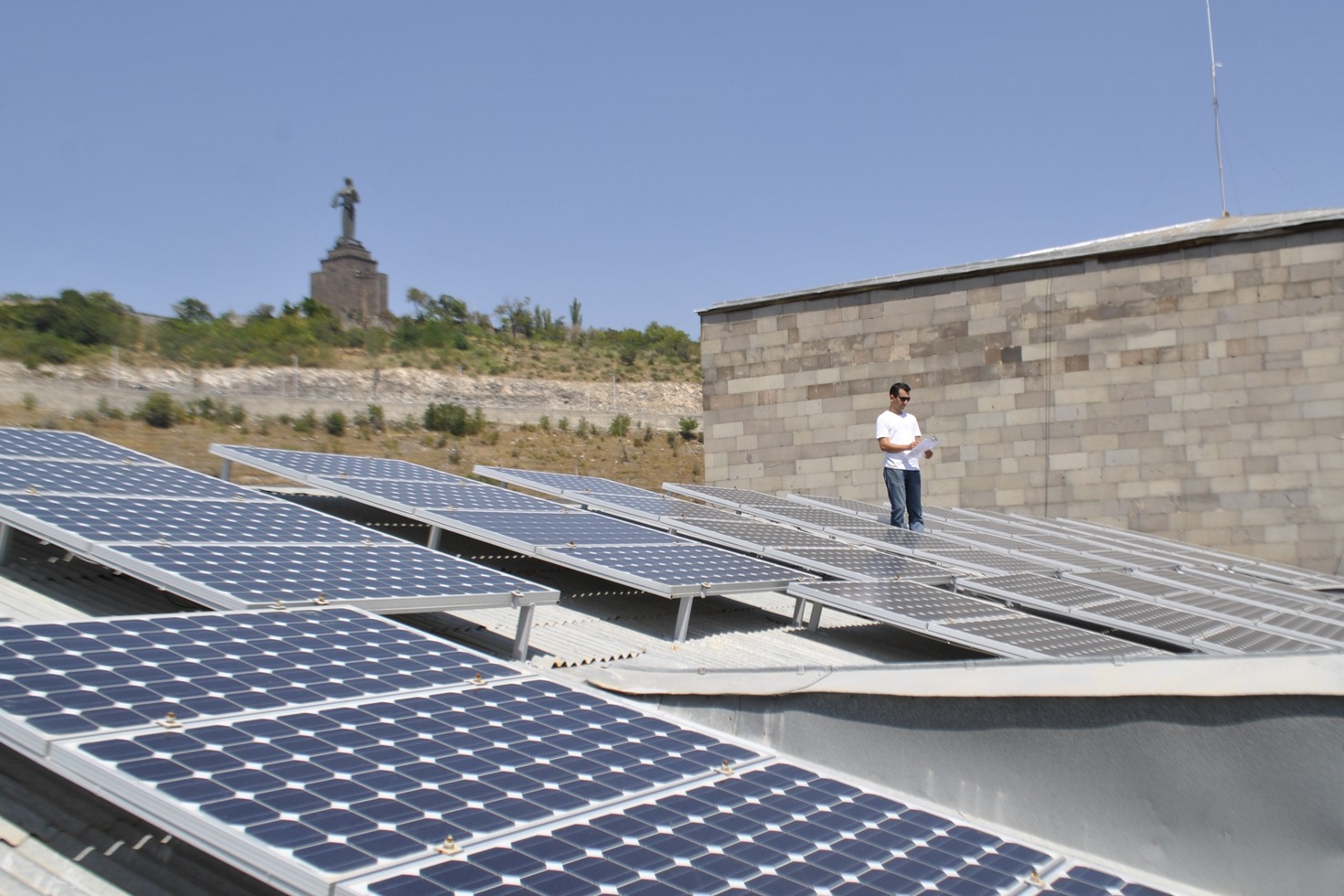
Renewables-and-grid reliability still a slow burn
Grid operators are still planning how to add more renewable power as U.S. electricity demand rises. Reliability work now centers on storage, transmission, and firm capacity beside wind and solar.
U.S. grid planners are still balancing a rising renewables share against reliability needs as power demand forecasts climb with data centers and electrification. The weekend story is structural, not a single outage headline.
The U.S. Energy Information Administration's recent outlooks, carried by Reuters energy desks, project record electricity use in 2026–2027 as AI and industrial loads grow, while solar and wind keep gaining generation share. EIA Today in Energy explainers and DOE's Office of Electricity materials stress the same engineering tension: inverter-based renewables displace some traditional spinning generators that historically provided inertia, so operators add storage, fast frequency response, transmission upgrades, and flexible gas or other firm capacity to keep frequency stable in heat waves and winter storms.
Extreme weather remains the public stress test. Regional operators in ERCOT, MISO, and the East have spent recent summers proving that high renewable days can run reliably with the right reserves — and that shortfalls usually trace to coincident demand spikes, fuel constraints, or transmission bottlenecks rather than one technology label. Interconnection queues for new solar, wind, and batteries remain long in several regions, which slows the very resources planners say they need. Policy fights over permitting and firm capacity continue beside those operations facts as utilities file winter readiness plans. Utility commissions reviewing integrated resource plans will keep asking whether new load from data centers is matched with deliverable capacity, not just nameplate renewables.
Accounts agree demand is rising and renewables are a larger share of the mix. They differ on how much new firm capacity and transmission must accompany that mix to keep reliability margins intact.
Where outlets agree U.S. EIA, Reuters, and the U.S. DOE Office of Electricity agree U.S. power demand is rising while renewables grow as a share of generation, keeping grid-reliability planning on the energy agenda.
Where they differ EIA and Reuters energy coverage emphasize demand growth from AI and industry; DOE reliability materials focus more on the engineering tools — storage, transmission, and flexible capacity — needed as inverter-based resources expand.