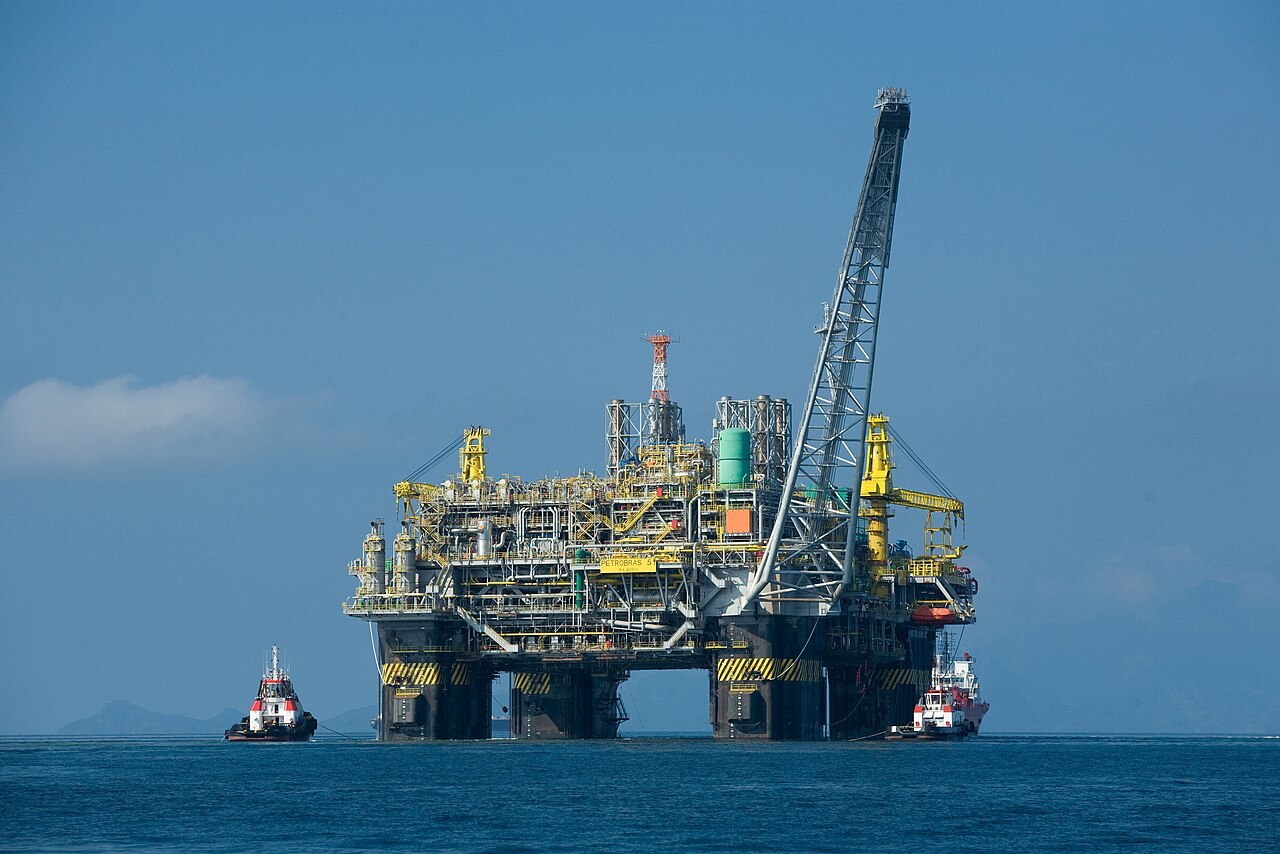
Oil watches Hormuz premium after Trump rejection
Oil markets reopened Hormuz risk after Trump rejected Iran's seven-day reopen plan. Weekend notes kept Brent near the mid-$90s as tanker desks watched the standoff.
Crude markets reopened Strait of Hormuz risk pricing after President Trump publicly rejected Iran's Qatar-backed seven-day reopen plan on Saturday. Some Friday hopes of a quick shipping thaw faded once the rejection hit wires.
Al Jazeera reported Trump told reporters, "I reject their proposal," after Iran transmitted a framework via Qatari mediators during UN week. Tehran's package tied a Hormuz reopen and nuclear-talks restart to lifting the U.S. naval blockade, waiving oil sanctions, releasing frozen funds, and a wider ceasefire covering Lebanon and Yemen. The New York Post framed the refusal around Iran negotiating from weakness and Trump's nuclear red line. Reuters noted Iran was still awaiting a clearer U.S. counter-move after earlier private-rejection reporting in the Wall Street Journal.
Oil desks treat Hormuz as a chokepoint premium even when some tankers still move: public rejection of a reopen timeline can reprice war-risk and nearby grades overnight. About one-fifth of seaborne oil trade normally transits the strait, so traders watch both physical loadings and insurance quotes. Weekend market notes kept Brent near the mid-$90s as desks weighed how long the standoff lasts versus cargo flows through the Gulf. Refiners and tanker trackers also watch whether mediators float a narrower shipping-confidence measure that markets could price separately from a full political deal. Insurance desks also compare Hormuz quotes with Red Sea war-risk premiums as related but separate overlays.
Accounts agree Trump rejected the seven-day reopen plan on Sept. 26. They differ on how sticky the oil premium stays if diplomacy stalls and on whether the next move is more mediation or harder military talk after November's midterms.
Where outlets agree Al Jazeera and the New York Post agree Trump publicly rejected Iran's seven-day Strait of Hormuz reopen framework on Sept. 26 after Qatari mediation during UN week.
Where they differ Al Jazeera keeps mediator diplomacy and Iranian terms in view; the New York Post stresses Iran negotiating from weakness, the nuclear red line, and possible harder U.S. options later. How long oil's Hormuz premium lasts remains market interpretation.