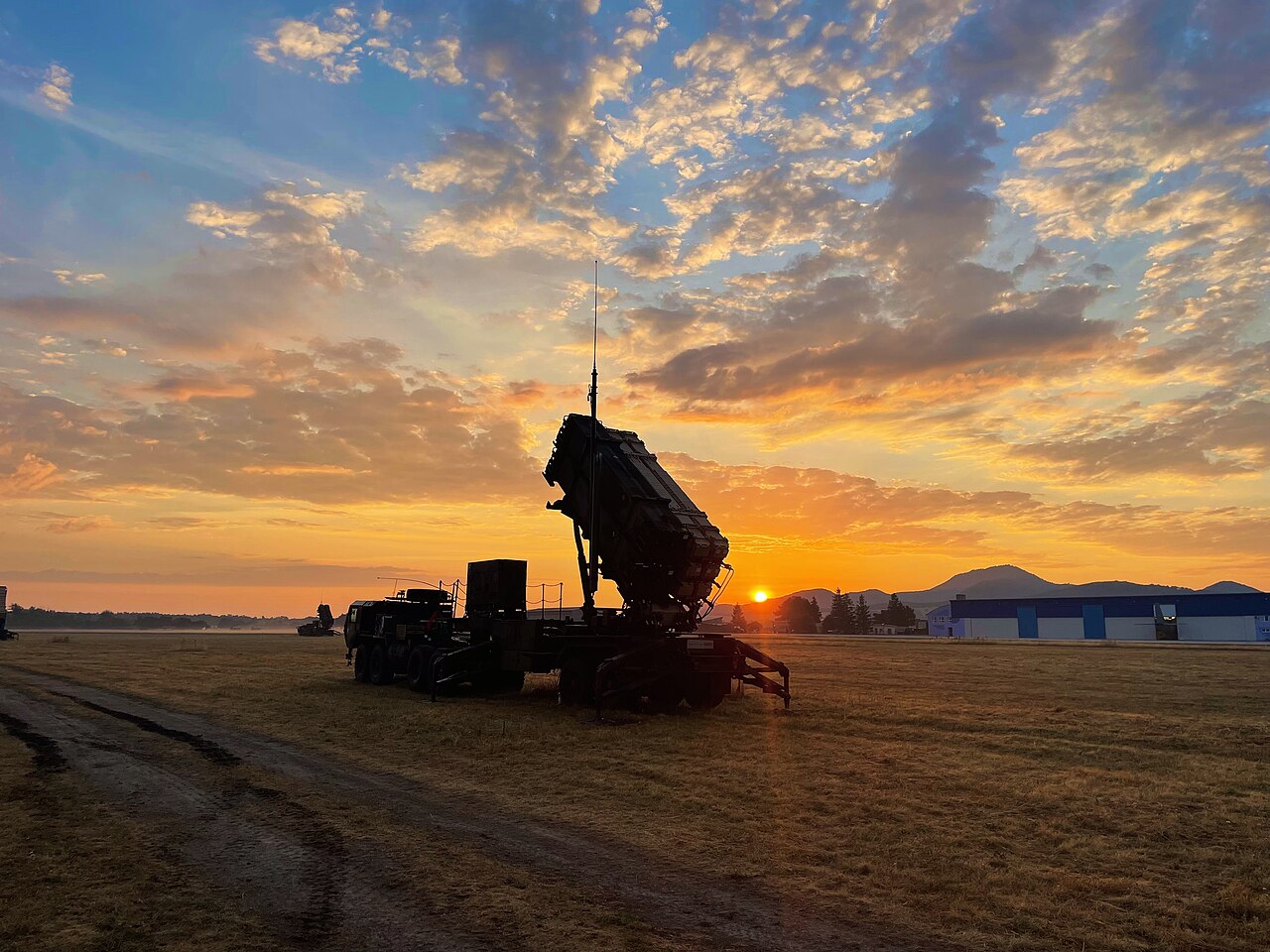
Ukraine presses NATO for winter Patriot interceptors
Zelensky asked NATO for more Patriot missiles after ballistic strikes on Kyiv. Stocks are tight, and a production license would not help this winter.
Ukraine again pressed NATO for winter air defenses after ballistic and drone strikes on Kyiv, keeping Patriot interceptors and allied stockpile limits at the center of the alliance agenda.
President Volodymyr Zelensky told NATO Secretary-General Mark Rutte in New York that Kyiv had already taken multiple ballistic waves and still needs Patriot interceptors "practically every day," Ukrinform and Kyiv Post reported. Zelensky said Ukrainian forces are improving against cruise missiles and jet-powered drones but still rely on Patriots for ballistic threats. He has sought a winter package on the order of roughly 100 Patriots a month, or about 300 for the season. The Kyiv Independent separately quoted the U.S. NATO envoy saying a Patriot co-production deal with Ukraine is unlikely to deliver before winter, even as production-license talk continues.
Washington Examiner coverage tracked Zelensky's claim that President Trump has made a "final decision" to grant Ukraine a Patriot production license — a long-lead industrial step the Examiner has also called not an immediate fix for current magazines. European allies have explored buying U.S. Patriots through NATO's Prioritized Ukraine Requirements List to bridge the winter gap while factories catch up. That financing path still depends on available U.S. inventory and allied checkbooks.
Cross-spectrum facts: Ukraine wants more interceptors now; license talk is longer-term; stocks and production capacity constrain everyone. Frames diverge on whether to emphasize civilian protection gaps or allied burden-sharing and industrial limits. Watch Contact Group and PURL announcements for near-term interceptor packages versus factory timelines measured in years.
Rutte's New York meeting landed during the same week Kyiv reported repeated ballistic waves, which Ukrainian officials used to argue that interceptor tempo—not only launcher counts—now defines winter survivability for cities and energy sites.
Where outlets agree Ukrinform, Kyiv Post, and the Kyiv Independent agree Ukraine is pressing NATO for more Patriot interceptors and a winter support package after recent ballistic and drone attacks on Kyiv.
Where they differ The Washington Examiner emphasizes Trump's Patriot production-license decision and long industrial lead times; Ukrainian and European coverage stress immediate interceptor shortages and civilian protection gaps this winter.