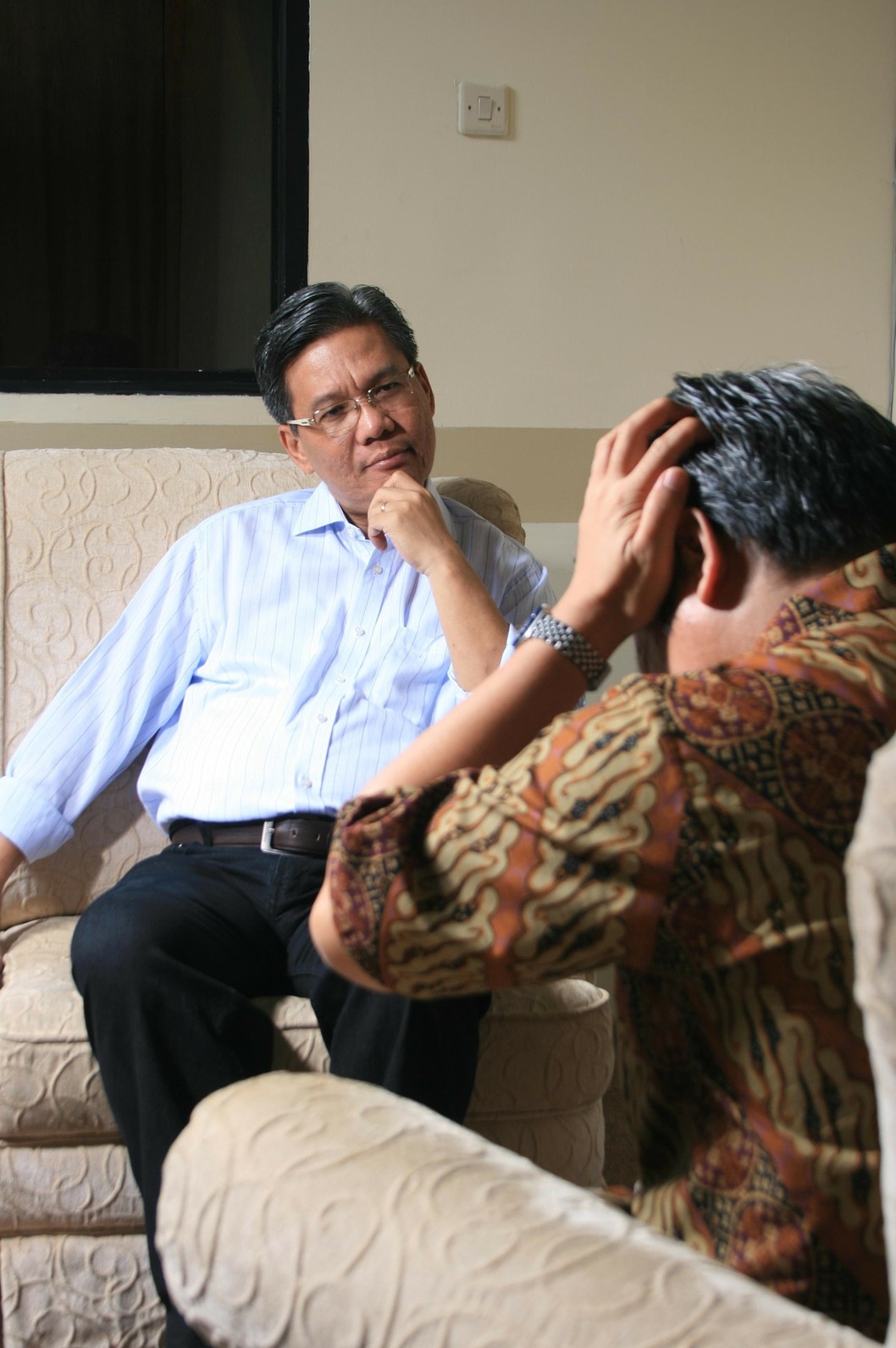
988 and mental-health help still available this weekend
If the weekend news cycle feels heavy, free crisis help remains one call or text away. The 988 lifeline connects people to counselors around the clock, and NIMH lists longer-term care options.
If the weekend news load — sports injuries, outbreak tallies, war wires — leaves you or someone nearby overwhelmed, the same public resources still apply: call or text 988 for the Suicide & Crisis Lifeline, use local crisis lines, and keep NIMH's find-help pages bookmarked before a crisis hits.
SAMHSA operates 988 as a free, confidential 24/7 network connecting callers, texters, and chat users to trained counselors. The line covers suicidal crisis, mental-health distress, and substance-use crises. Counselors can also help with follow-up resources; veterans can press 1 for the Veterans Crisis Line pathway. NIMH's public find-help guide points people to 988, the Disaster Distress Helpline (1-800-985-5990), and directories for locating therapists, support groups, and treatment.
High-news weekends often lift secondary anxiety and grief searches even without a single celebrity crisis headline. Sports injury scares, disease outbreaks, and war coverage are common search companions. Meta has also built crisis-resource prompts into Muse AI conversations that involve self-harm language, directing users toward lifeline information — a reminder that AI chat is not a substitute for human crisis care.
Practical steps that still matter: save 988 in your phone; tell household members where it lives; if someone is in immediate danger, call 911; for ongoing care, use NIMH and SAMHSA directories rather than social-media advice threads. School counselors, employee assistance programs, and county behavioral-health boards remain local on-ramps when the national line is the first step.
Engage: call/text 988; chat via 988lifeline.org; veterans options at veteranscrisisline.net; NIMH find-help at nimh.nih.gov/health/find-help; SAMHSA overview at samhsa.gov/find-help/988.
Where outlets agree SAMHSA and NIMH agree 988 is the primary 24/7 U.S. suicide and crisis pathway and that directories exist for ongoing mental-health care beyond an immediate crisis call.
Where they differ Public-health pages emphasize calling 988 first in crisis; tech-safety reporting notes AI products may surface lifeline prompts but are not a replacement for human counselors or emergency services.