Iran says door open after Trump Hormuz rejection
Tehran says diplomacy remains possible after Trump rejected its seven-day Hormuz reopen plan. Mediators have not delivered a formal U.S. reply, and oil desks are repricing chokepoint risk.
After President Trump publicly rejected Iran's seven-day Hormuz reopen plan on Saturday, Tehran said mediation channels remain open and that it is still waiting for a formal reply through Qatar. Oil markets that had eased on diplomacy hopes reopened chokepoint-risk talk into the weekend.
Iranian Foreign Minister Abbas Araghchi had announced the framework at the United Nations on Friday: if Washington lifts its naval blockade of Iranian ports, waives oil sanctions, releases an estimated $12 billion in frozen assets, and observes a regional ceasefire covering Lebanon and Yemen, Tehran would restore normal Hormuz passage within seven days and begin broader nuclear talks. Al Jazeera and Euronews reported the plan closely echoes the collapsed June memorandum of understanding, only on a faster clock.
Trump told reporters outside the White House he rejected the proposal, saying Iran wants to open the strait "because they're losing so badly." Araghchi answered on Telegram that Iran had seen the president's first reaction but nothing yet from mediators, would not back down on conditions, and still sought a negotiated exit from the deadlock. President Masoud Pezeshkian told Al Jazeera Tehran no longer trusted Washington after past talks were followed by strikes and sanctions.
On Sunday, U.N. Ambassador Mike Waltz told CNN's State of the Union Iran was "asking for everything up front with a promise that they would then talk," and that Trump was not confident Tehran was negotiating nuclear issues in good faith, The Guardian reported. Iranian officials signaled Araghchi's team may stay in New York into midweek, keeping mediator lanes active even after the public no.
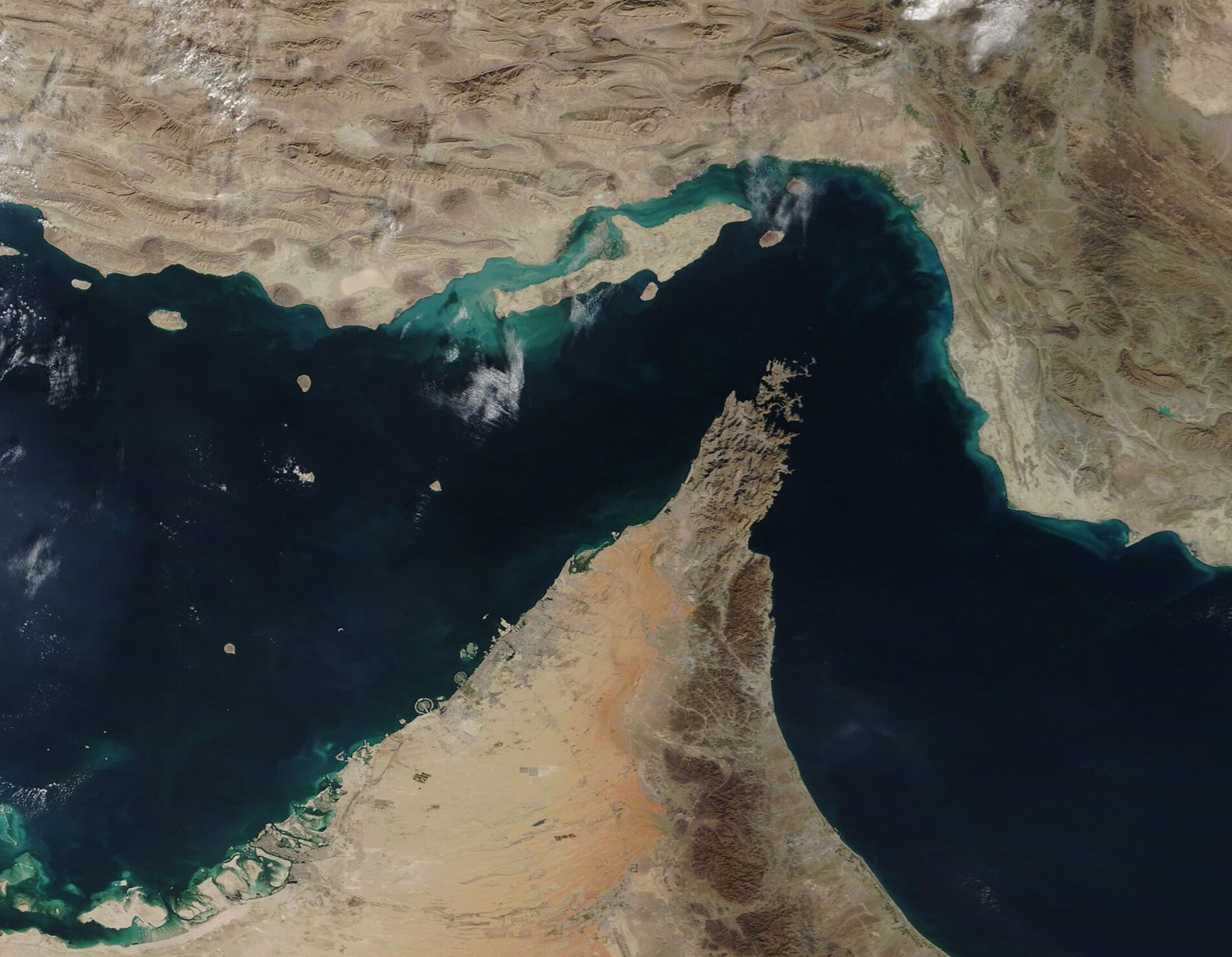
Hormuz still matters because roughly a fifth of seaborne oil normally passes the strait; Iran closed it after the U.S.–Israel war began in late February, and insurance and routing costs have stayed elevated. Watch mediator cables from Qatar, any White House counteroffer language, and whether Waltz's "bad faith" frame hardens into resumed strike talk after November midterms.
Where outlets agree Al Jazeera, Euronews, CNA, The Guardian, and the New York Post agree Trump publicly rejected Iran’s seven-day Hormuz reopen / ceasefire framework, while Iranian officials say they still await a formal mediator reply and keep diplomacy language alive.
Where they differ The New York Post frames the rejection as shutting down a weak, front-loaded Iranian ask and stresses nuclear and pressure leverage; Al Jazeera and Euronews highlight Tehran’s claim that only negotiation ends the Hormuz deadlock and that no official counteroffer has arrived through Qatar.