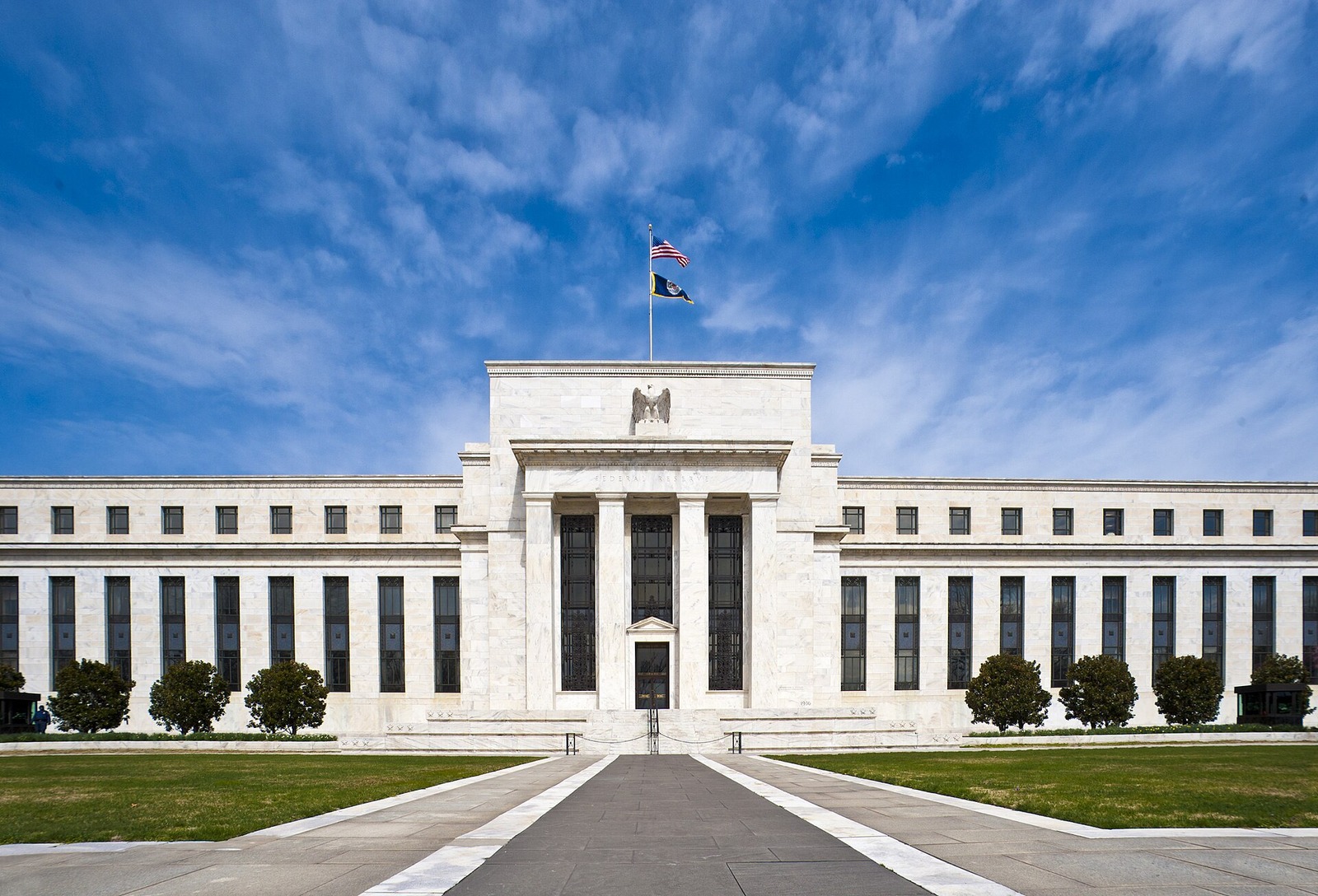
October Fed hike odds hinge on PCE print
Markets have raised the odds of another Federal Reserve rate hike in October after the Sept. 16 increase. Wednesday's August PCE inflation report is the next big public test, with Friday's jobs report close behind. Higher Treasury yields and mortgage rates already show how much tightening is priced in.
Markets have lifted the odds of another Federal Reserve rate hike at the October meeting after the central bank's Sept. 16 quarter-point increase to a 3.75%–4.00% target range. CME FedWatch put the chance of at least a 25-basis-point October move near 69%, up from about 55% a week earlier, Reuters reported on Sept. 24. That repricing is what keeps October on watch heading into this week's data.
The next public test is inflation. CNBC's week-ahead calendar flags the personal consumption expenditures price index for August on Wednesday, Sept. 30 — the Fed's preferred gauge — alongside personal income. Friday brings the September jobs report. Economists surveyed for that outlook expect nonfarm payrolls to roughly halve to about 85,000 from 162,000 in August, with the unemployment rate steady near 4.1%. Softer prints could rebuild pause odds. A hot run would reinforce the hike case already in futures pricing.
Treasury markets have already moved as if further tightening is live. The 10-year yield briefly reached about 5.23%, its highest since June 2007, CNBC said. The 30-year yield touched about 5.53%, and the 2-year topped about 4.90%. Reuters tied the same climb to solid business surveys and hawkish Fed speakers, with Philadelphia Fed President Anna Paulson and New York Fed President John Williams both flagging that more rate increases were likely needed.
Households feel the chain quickly. The average 30-year fixed mortgage leapt to about 7.45%, its highest in more than two years, according to Mortgage News Daily figures cited by CNBC. When front-end and long-end yields rise together, mortgage quotes, auto loans, and other rate-sensitive borrowing costs tend to follow with a lag — which is why a single PCE print can matter far beyond Wall Street screens.
Context for the rate path is recent, not ancient. The Fed's September hike ended a long hold and shifted the debate from whether policy had peaked to whether one more increase is needed before year-end. Oil spikes and strong manufacturing readings added to inflation worry last week, while equity indexes stayed near highs even as bond yields surged — a split that leaves the next inflation and payrolls prints as the referee.
Reuters and CNBC agree that October hike odds rose after the Sept. 16 move as yields climbed and Fed officials kept the door open to more tightening, and that this week's August PCE and September jobs releases sit on the critical path to the October decision. They differ on emphasis: Reuters leads with the FedWatch odds jump and named Fed speakers, while CNBC's week-ahead package centers the calendar — PCE on Wednesday, jobs on Friday — and the household mortgage channel that already shows the cost of higher rates.
Where outlets agree Reuters and CNBC agree that October Fed hike odds rose after the Sept. 16 increase to a 3.75%–4.00% range as Treasury yields climbed and Fed officials left the door open to more tightening, and that this week's August PCE inflation report and September jobs data are key inputs before the October meeting.
Where they differ Reuters emphasizes the CME FedWatch odds jump into the high-60% range and hawkish remarks from Fed presidents Paulson and Williams, while CNBC's week-ahead package stresses the calendar itself — August PCE on Wednesday and the September jobs report on Friday — plus the household mortgage channel already reflecting higher yields.