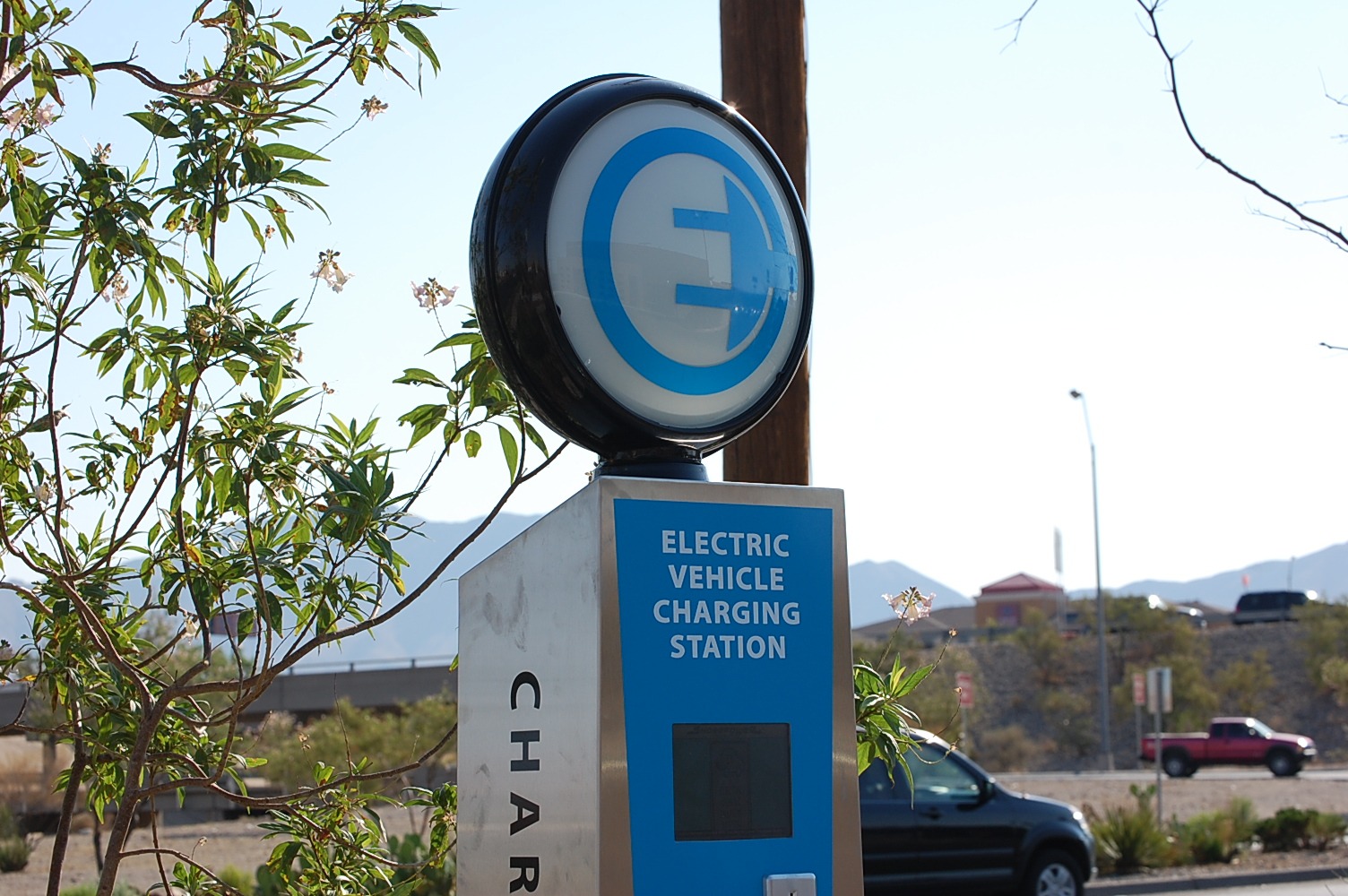
EV charging failures ease, but reliability stays uneven
Public EV charging failed less often in 2026, J.D. Power found, but about one in eight visits still miss a charge. Operators and investors watch uptime as federal NEVI funding stays contested.
Public EV charging is working more often than it did a year ago, but drivers, operators, and investors still treat reliability as the main open risk on the U.S. buildout.
J.D. Power's 2026 U.S. Electric Vehicle Experience Public Charging Study, released Aug. 12 and based on 6,594 battery and plug-in hybrid owners surveyed from January through June, put the industry non-charge visit rate at 12% in the latest quarter — the lowest in the study's six-year history, down from 14% a year earlier and 19% two years ago. Satisfaction with DC fast charging rose 12 points to 666 on a 1,000-point scale, with charger availability posting the largest gain. Public Level 2 satisfaction fell 12 points to 595, hurt mainly by payment and session-start friction. Newer automaker-backed networks recorded the lowest failure rates; IONNA led the DC fast rankings, followed by Mercedes-Benz Charging Network and Rivian Adventure Network.
Scale is no longer the scarce piece. The Joint Office of Energy and Transportation counts roughly 260,000 public ports nationwide — more than double the 2020 total — and the Energy Department's Alternative Fuels Data Center put public DC fast ports at 72,514 as of May 2026, up about 30% year over year. Drivers can check live station maps on the AFDC locator. What still breaks trips is whether a port that looks available actually delivers a charge.
That gap is where money leaks. Networks often report uptime near 98.7% to 99.9%, EVinfo.net noted in a September operations roundup, while ChargerHelp's 2025 field study across more than 100,000 sessions found only about 71% of charge attempts succeed on the first try. Plug In America's 2026 driver survey said 52.4% of non-Tesla EV drivers hit a broken charger in the past year. Federally funded NEVI ports face a separate floor: more than 97% average annual uptime per port under federal rules. After the Federal Highway Administration paused NEVI in early 2025, Congress rescinded just over $503 million across 30 states and territories in January 2026. A Seattle federal judge later ruled the administration's suspension unlawful and barred the Transportation Department from yanking approved state plans — a ruling CNBC covered in late January — even as lawmakers weighed redirecting hundreds of millions more.
For investors and charge-point operators, the public record now splits cleanly: failure rates are falling and OEM networks are raising the bar, yet reported uptime still flatters the driver experience, Level 2 sites are slipping, and federal corridor money remains a moving target. Winter weather will be the next seasonal stress test on hardware that already struggles with payment and session starts. Utilization and verified session success — not plug counts alone — are what decide whether the next round of private capital sticks.
Where outlets agree J.D. Power and EVinfo.net agree public charging reliability has improved from prior years but still leaves a meaningful share of visits without a charge, while the public port count has grown sharply and NEVI-funded sites face a 97% uptime rule amid contested federal funding. CNBC's January coverage aligns on the NEVI program's legal and funding fight.
Where they differ J.D. Power stresses the record-low 12% non-charge rate and gains at newer OEM-backed networks; EVinfo.net puts more weight on the gap between reported uptime and first-try session success, plus private-capital pressure after NEVI rescissions. CNBC centers the federal court fight over NEVI funds rather than session-success metrics.