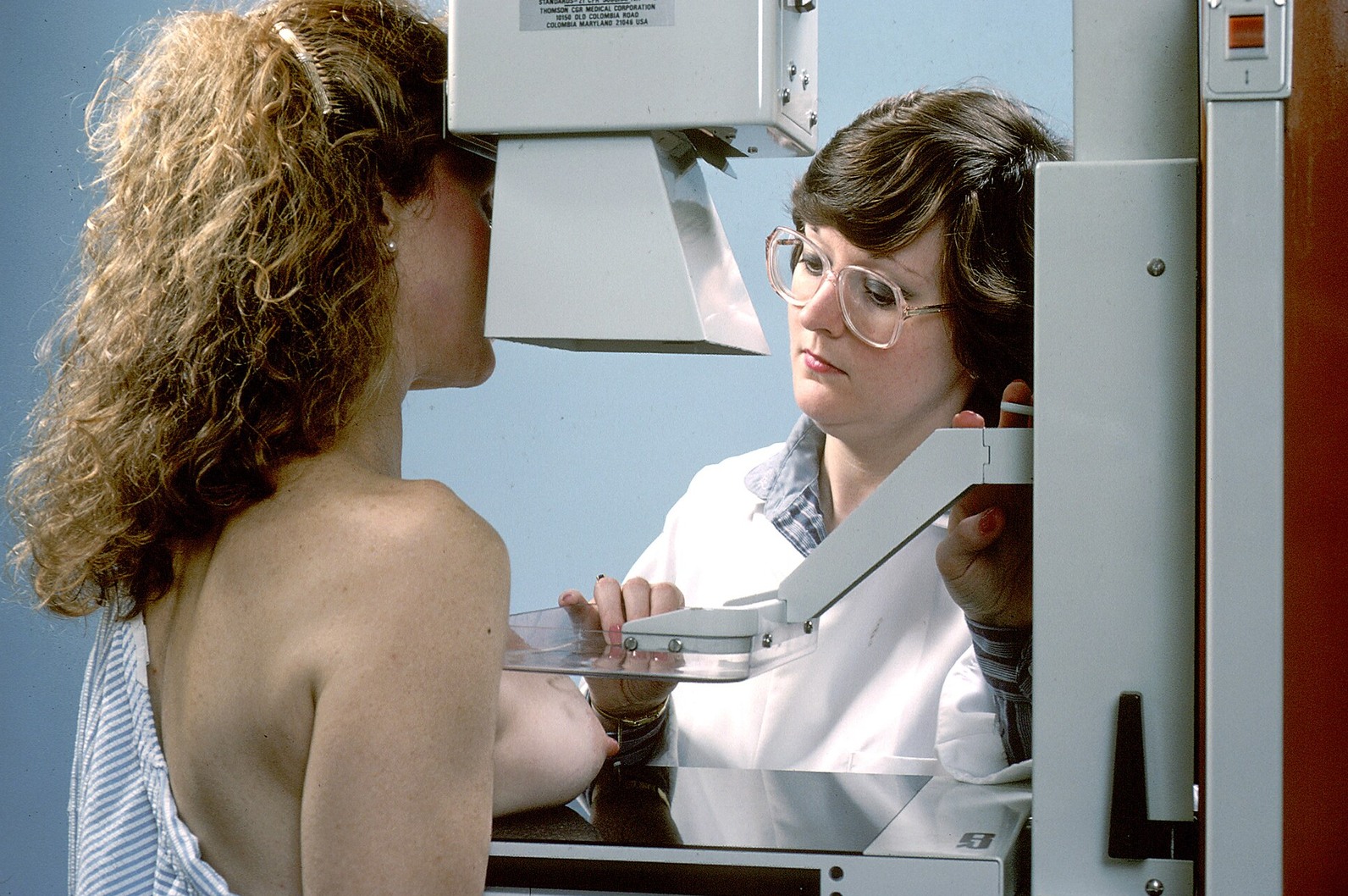
Cancer screening catch-up still a quiet priority
Breast and colon screening rebounded after pandemic delays, but cervical rates still lag — and nearly 18 million women ages 45–64 remain overdue for at least one common test.
Primary-care desks spent Sunday still pushing cancer screening catch-up even as outbreak and respiratory headlines led the health wire. The public record shows pandemic delays did not hit every test the same way — and that millions of adults are still not current.
An American Cancer Society team reported on March 5, 2025, in JAMA that past-year breast and colorectal screening in 2023 had climbed past 2019 levels — about 7% higher for breast and 12% higher for colorectal — after sharp gains from 2021 to 2023. Cervical screening did not rebound. Past-year rates in 2023 stayed about 14% below 2019, with little change from 2021 to 2023. Lead author Jessica Star called the cervical shortfall troubling because early-stage cervical diagnoses also fell during the pandemic. The breast and colorectal rebound was concentrated among people with higher education and private or Medicare coverage.
That catch-up story is unfinished. A June 24, 2026 Healio report on a JAMA Network Open analysis of 2024 survey data estimated about 17.9 million U.S. women ages 45 to 64 were overdue for at least one of breast, cervical, or colorectal screening. Roughly 3.2 million were overdue for all three. Only about half of women in that age band were current on all three tests. Researchers tied higher uptake to annual wellness visits, a regular clinician, insurance, and more education — and argued clinics should stop treating each screening in a silo when many patients are due for more than one test at once.
CDC screening guidance, dated Jan. 16, 2025 on the agency's cancer-prevention page, still frames the basics: screening looks for cancer before symptoms, and CDC backs U.S. Preventive Services Task Force recommendations for breast, cervical, colorectal, and lung cancer. Mammograms, HPV and Pap tests, colon tests that can find and remove polyps, and low-dose CT for eligible heavier smokers ages 50 to 80 remain the tools primary-care desks point to when they say get caught up.
ACS researchers and the Healio/JAMA Network Open team agree the post-pandemic picture is mixed: some rates recovered, cervical screening and multi-test gaps did not, and access still shapes who finishes the schedule. What still differs is emphasis — whether the next clinic push should target cervical catch-up alone or bundle outreach for the millions overdue for several tests. Beside measles and back-to-school illness headlines, that quieter priority is still the confirmed beat.
Where outlets agree ACS and Healio/JAMA Network Open agree some cancer screening rebounded after COVID disruptions while large gaps remain — especially cervical screening and women overdue for one or more tests — and that insurance and regular primary care track with higher uptake.
Where they differ Desks still differ on whether the next push should prioritize cervical catch-up alone or bundled multi-test outreach for the millions overdue for more than one screening.