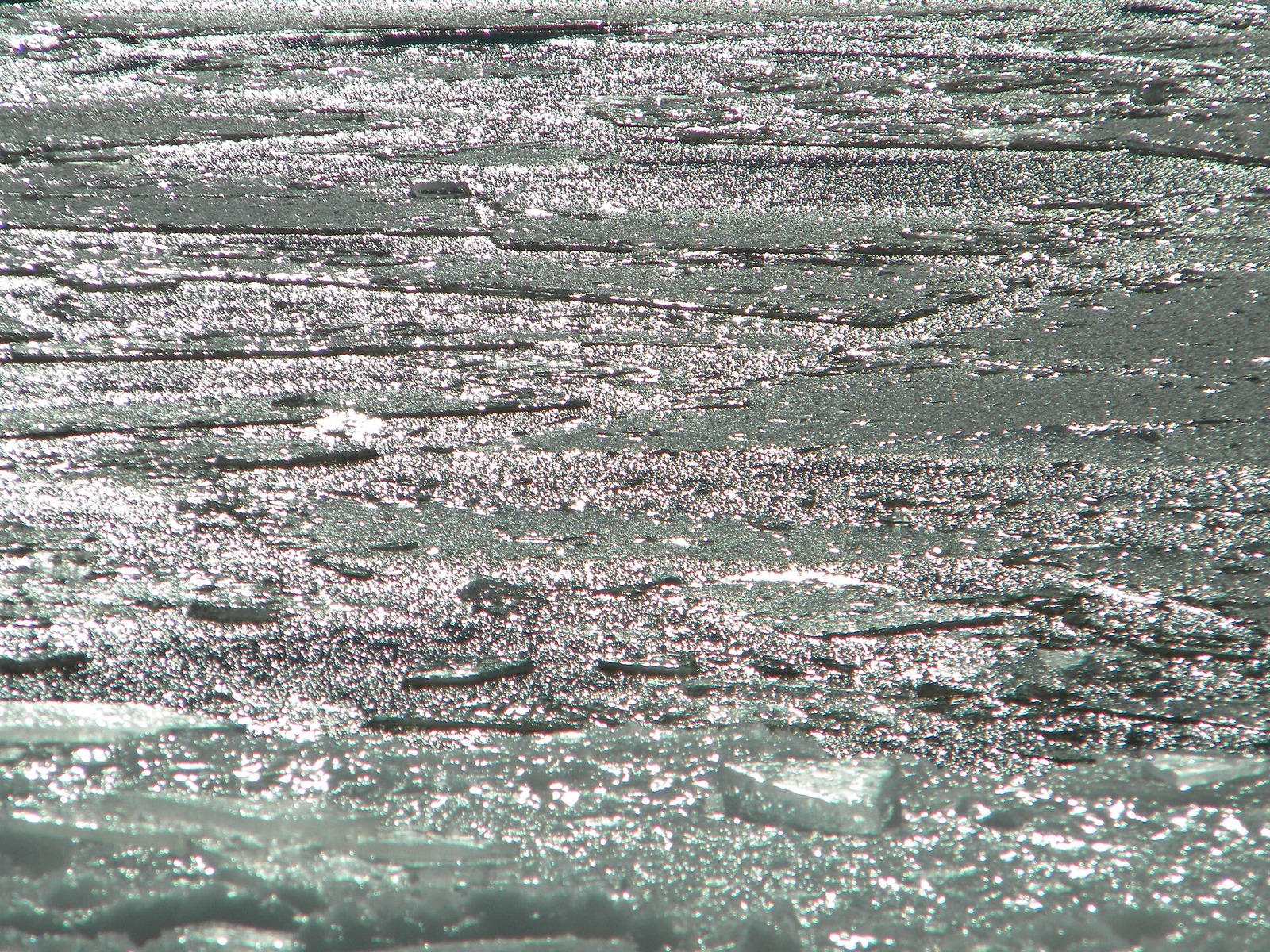
Arctic ice enters freeze watch after 10th-lowest minimum
Arctic sea ice likely bottomed out Sept. 12 at 4.60 million square kilometers, tying for tenth lowest in the satellite record. NSIDC and NASA call the figure preliminary as the freeze season begins; a full melt-season analysis is due in early October.
Arctic sea ice has moved into the shoulder season that follows the summer minimum. On Sept. 23, the National Snow and Ice Data Center said ice likely reached its annual low on Sept. 12 at 4.60 million square kilometers (1.78 million square miles). That reading ties 2008, 2010, and 2025 for tenth lowest in the nearly 48-year satellite record. NASA posted the same preliminary minimum the same week.
The number sits about 1.62 million square kilometers below the 1981–2010 average minimum — a gap NSIDC compares to the size of Alaska — and about 1.21 million square kilometers above the 2012 record low of 3.39 million. The last 20 Septembers, from 2007 through 2026, are the 20 lowest minima on record. NSIDC still flags the call as preliminary: late-season winds or melt can compact thin ice and nudge extent lower, as happened in 2005 and 2010.
What comes next is freeze onset. After the September trough, polar darkness and colder air rebuild ice through winter toward a March maximum. Desks watch daily NSIDC Sea Ice Today maps and the NOAA Sea Ice Index during this window because extent can wobble for days after the announced low, and because the pace of autumn growth shapes winter shipping, coastal erosion risk, and multiyear ice survival.
Longer context from NOAA Climate.gov anchors why a "tenth lowest" year still matters. End-of-summer ice has shrunk roughly 12 percent per decade relative to the 1981–2010 average since the late 1970s. Ice older than four years — a proxy for thickness — has stayed near about 5 percent of 1980s levels since 2012. Less reflective ice leaves darker open water that absorbs more sunlight, feeding Arctic amplification. NSIDC also notes the September trend has flattened over the past two decades even while staying historically low; causes remain under active debate.
For readers, the confirmed beat this weekend is the preliminary minimum and the start of freeze watch. NSIDC plans a fuller melt-season analysis in early October. Until then, daily extent images and the early-October write-up are the next public checkpoints — not a new policy action.
Where outlets agree NSIDC and NASA agree Arctic sea ice likely reached a preliminary 2026 minimum of 4.60 million square kilometers on Sept. 12, tying for tenth lowest in the satellite record.
Where they differ Whether late-season compaction still revises the minimum lower — and how fast autumn freeze-up rebuilds extent before NSIDC's early-October analysis — remains open.