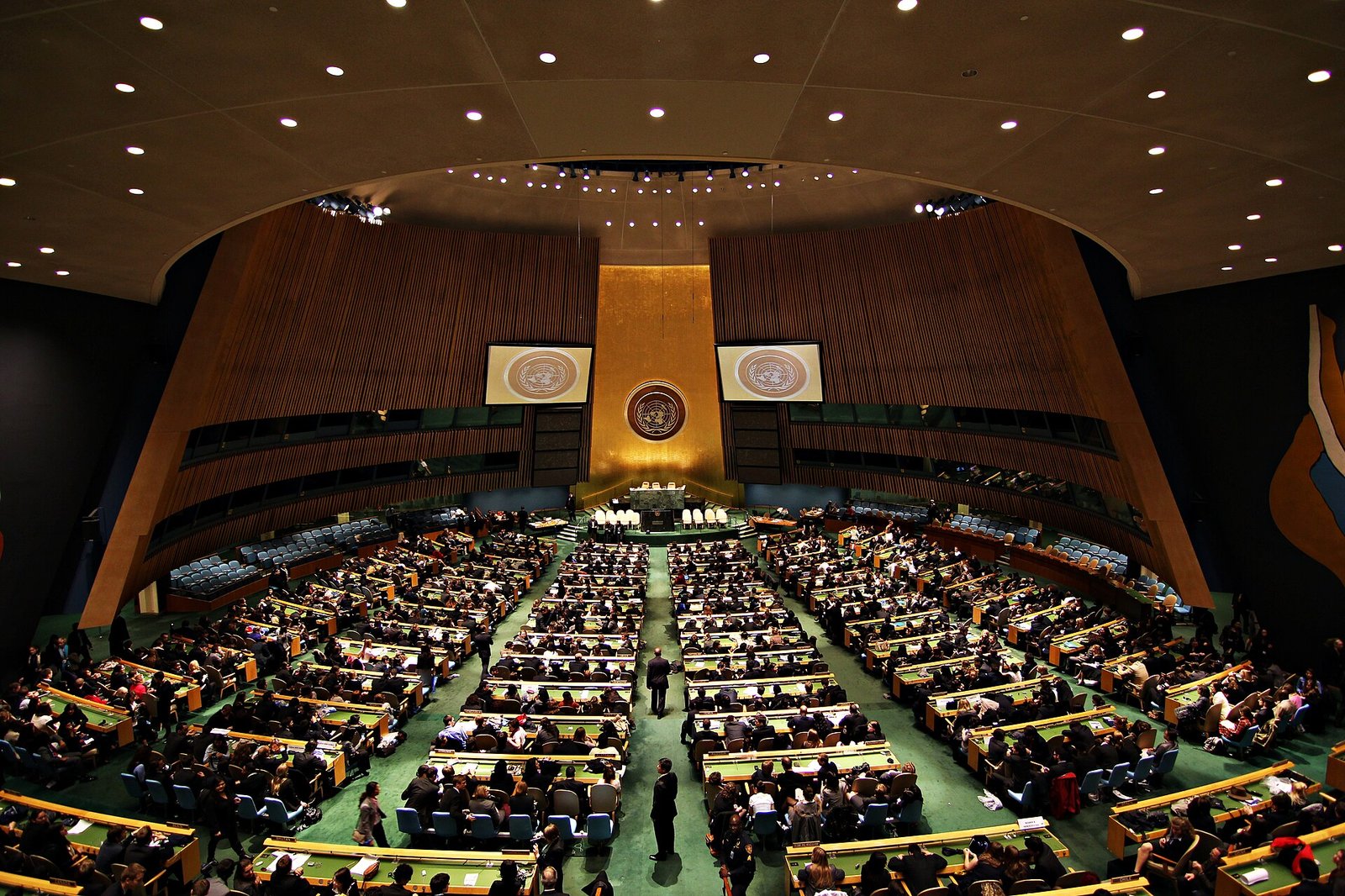
Pezeshkian at UNGA: open to talks, ‘never bend at the knee’
Updated 4:35 p.m. ET — Iranian President Masoud Pezeshkian told the U.N. General Assembly Iran is ready for dialogue but will “never bow our head or bend at the knee,” calling Iranians “victims of terrorism” a day after Trump’s annihilation rhetoric. He reaffirmed peaceful nuclear rights and rejected talks under force.
Updated 4:35 p.m. ET Sept. 23: Iranian President Masoud Pezeshkian delivered a defiant wartime address to the U.N. General Assembly, pairing an opening to diplomacy with a hard line against coercion—hours after U.S. envoys’ lengthy mediated UNGA round with Tehran and a day after President Donald Trump said he could “annihilate” Iran if the nearly seven-month war stays unresolved.
From the podium, Pezeshkian held up photos of late Supreme Leader Ali Khamenei and of children killed in early-war strikes, declared “We have been the victims of terrorism,” and said America and Israel attacked Iran. Addressing Trump by name, he said Tehran is “ready for dialogue and diplomacy and negotiations without accepting the language of force,” adding that Iranian resistance would only grow under sanctions and bullying: “We will never bow our head or bend at the knee.” He reaffirmed “no nuclear weapons and no limitations to peaceful nuclear technology,” accused Israel of nuclear double standards, and framed Hormuz access as incompatible with using the waterway for aggression against Iran.
UN News, France 24 (with AP/AFP), the Washington Post (AP), and Middle East Eye agree on the defiant tone, the named rebuke of Trump, openness to talks without force, and the peaceful-nuclear / victims-of-terrorism framing. They diverge on how much negotiating room remains after Iranian officials also downplayed Tuesday’s mediated contacts as “not anything new” and restated Hormuz preconditions including ending the U.S. port blockade and releasing frozen assets.
Where outlets agree Major outlets and UN News agree Pezeshkian struck a defiant UNGA tone—open to talks without force, rejecting nuclear-weapons aims while defending peaceful nuclear rights, and calling Iranians victims of terrorism.
Where they differ Coverage differs on whether Tuesday’s mediated U.S.–Iran contacts plus Wednesday’s speech signal real negotiating space or hardened wartime messaging; Tehran still downplays the talks and restates Hormuz preconditions.