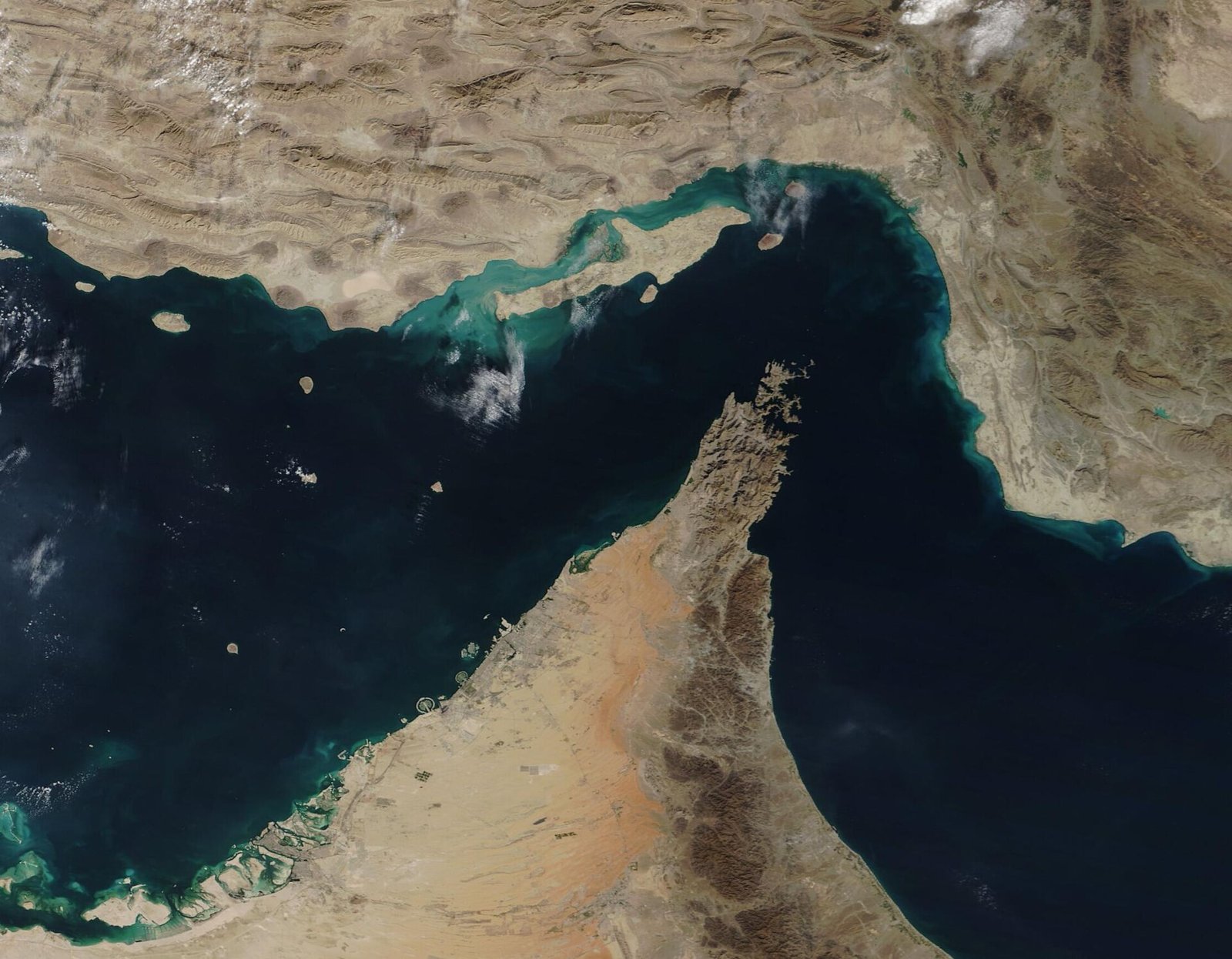
Iran official: Hormuz could reopen in seven days if U.S. eases pressure
A senior Iranian official told Reuters the Strait of Hormuz could reopen within a week if Washington eases military pressure and lifts its blockade of Iranian ports. The offer coincides with Qatar-mediated UN talks and softer crude prices on restored Gulf pipeline flows.
A senior Iranian official told Reuters that the Strait of Hormuz—through which roughly a fifth of the world’s oil and LNG once passed before the war—could reopen within seven days if the United States eases military pressure and lifts its blockade of Iranian ports, a conditional offer that remains unverified diplomacy rather than a scheduled reopening.
The statement landed as Qatar-mediated talks between Trump envoy Steve Witkoff and Iranian Foreign Minister Abbas Araghchi produced no public breakthrough at the United Nations, and as Saudi Arabia restored crude flows on its East-West Pipeline to the Red Sea after a drone-forced shutdown. Iraq also signaled higher exports, helping push Brent toward two-week lows even while diesel cracks hit records on separate shortage fears.
Iran has intermittently struck vessels it alleges crossed Hormuz without authorization; the United States has hit Iranian sites and tankers and maintained port blockades that Tehran says devastate its economy. Trump has threatened secondary sanctions on countries still trading with Iran while also floating annihilation rhetoric alongside talk of a post-midterm deal. Markets treat Hormuz headlines as high-beta catalysts: any credible reopen path softens crude, while failed talks or renewed mining of the strait can reverse those gains in hours.
Reuters and BBC accounts agree the seven-day reopen scenario is framed as conditional on U.S. de-escalation; they diverge on Iranian sincerity versus negotiating theater. NewsHabit’s World card pairs the offer with verified supply moves in Saudi Arabia and Iraq without assuming ships will transit on a calendar date. Reporting continues to develop as officials and outlets update figures and timelines.
Where outlets agree Reporting agrees an Iranian official conditioned a roughly seven-day Hormuz reopen on eased U.S. military pressure and blockade relief.
Where they differ Analysts disagree whether the offer is a serious negotiating track or leverage timed to UNGA optics and oil markets.