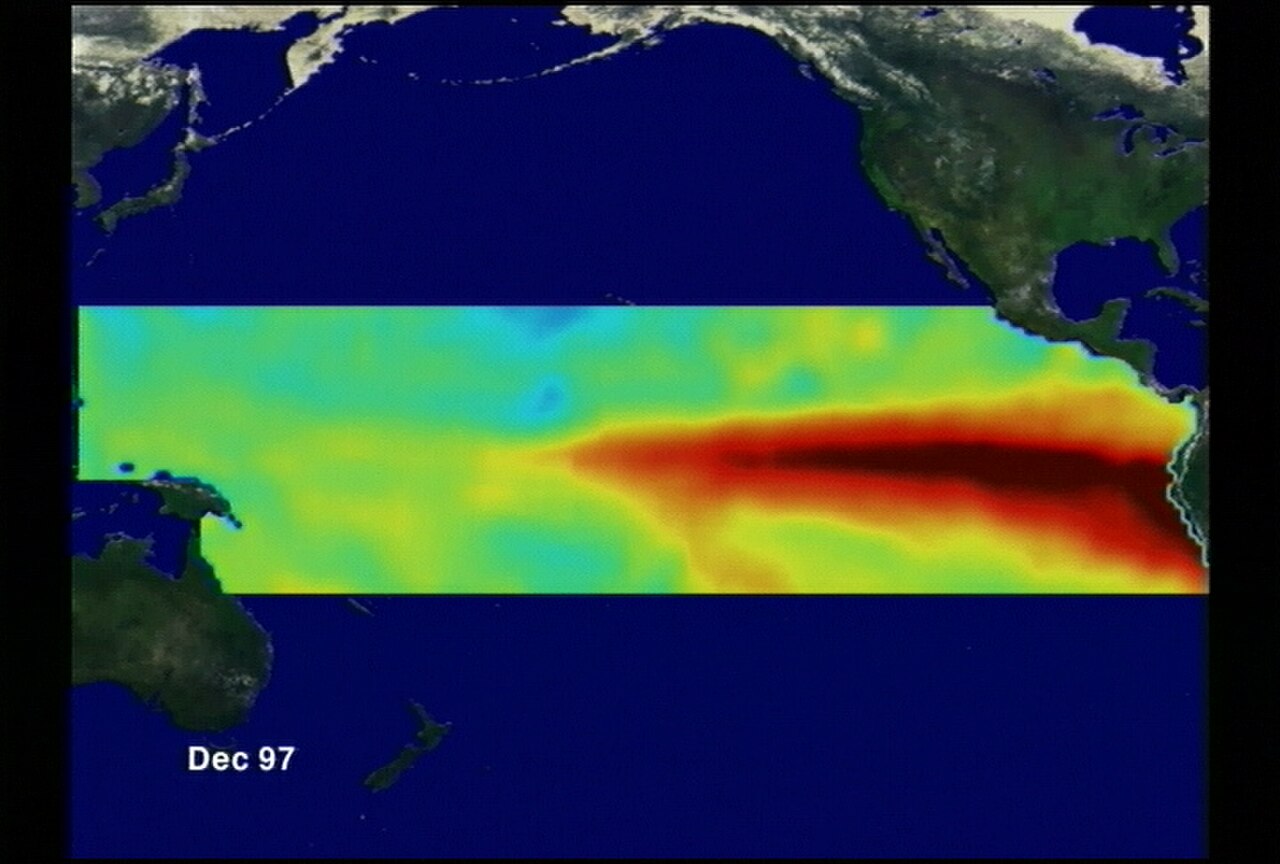
CNN: Super El Niño could drive 450,000+ heat deaths by February
CNN amplified Wednesday a study suggesting a super-sized El Niño could contribute to more than 450,000 excess heat deaths by February—pairing climate physics already on the slate with mortality modeling for health systems.
CNN’s Wednesday climate desk highlighted research projecting more than 450,000 excess heat deaths by February under a super El Niño scenario, rhyming with Health-category coverage already on NewsHabit’s slate.
Mortality models depend on adaptation assumptions—cooling access, worker protections, urban heat islands. Emergency managers use such ranges for surge planning rather than precise forecasts.
Accounts agree the study’s headline magnitude is drawing attention; confidence intervals and regional breakdowns matter for policy.
Officials and independent outlets continue updating confirmed details as they become available. NewsHabit’s card sticks to multi-outlet confirmation for this edition and notes where accounts still diverge, without projecting outcomes that the published record does not yet support.
Independent outlets continue to update confirmed details as officials brief and documents surface. NewsHabit keeps this card anchored to multi-outlet confirmation for the September 23, 2026 edition, flagging where accounts still diverge rather than projecting outcomes the published record does not yet support. Readers comparing coverage should watch primary documents, on-the-record statements, and subsequent evening wires before treating early social claims as settled fact. Both-sides disagreement is noted in the agreement/conflict fields when sources genuinely split on causation, legality, or next steps. Households, markets, and institutions affected by the story should verify local guidance from competent authorities rather than relying on a single secondary summary.
Independent outlets continue to update confirmed details as officials brief and documents surface. NewsHabit keeps this card anchored to multi-outlet confirmation for the September 23, 2026 edition, flagging where accounts still diverge rather than projecting outcomes the published record does not yet support. Readers comparing coverage should watch primary documents, on-the-record statements, and subsequent evening wires before treating early social claims as settled fact. Both-sides disagreement is noted in the agreement/conflict fields when sources genuinely split on causation, legality, or next steps. Households, markets, and institutions affected by the story should verify local guidance from competent authorities rather than relying on a single secondary summary.
Where outlets agree CNN’s report matches the study’s large excess-death projection under super El Niño heat.
Where they differ Modelers disagree on adaptation offsets that could lower realized deaths.