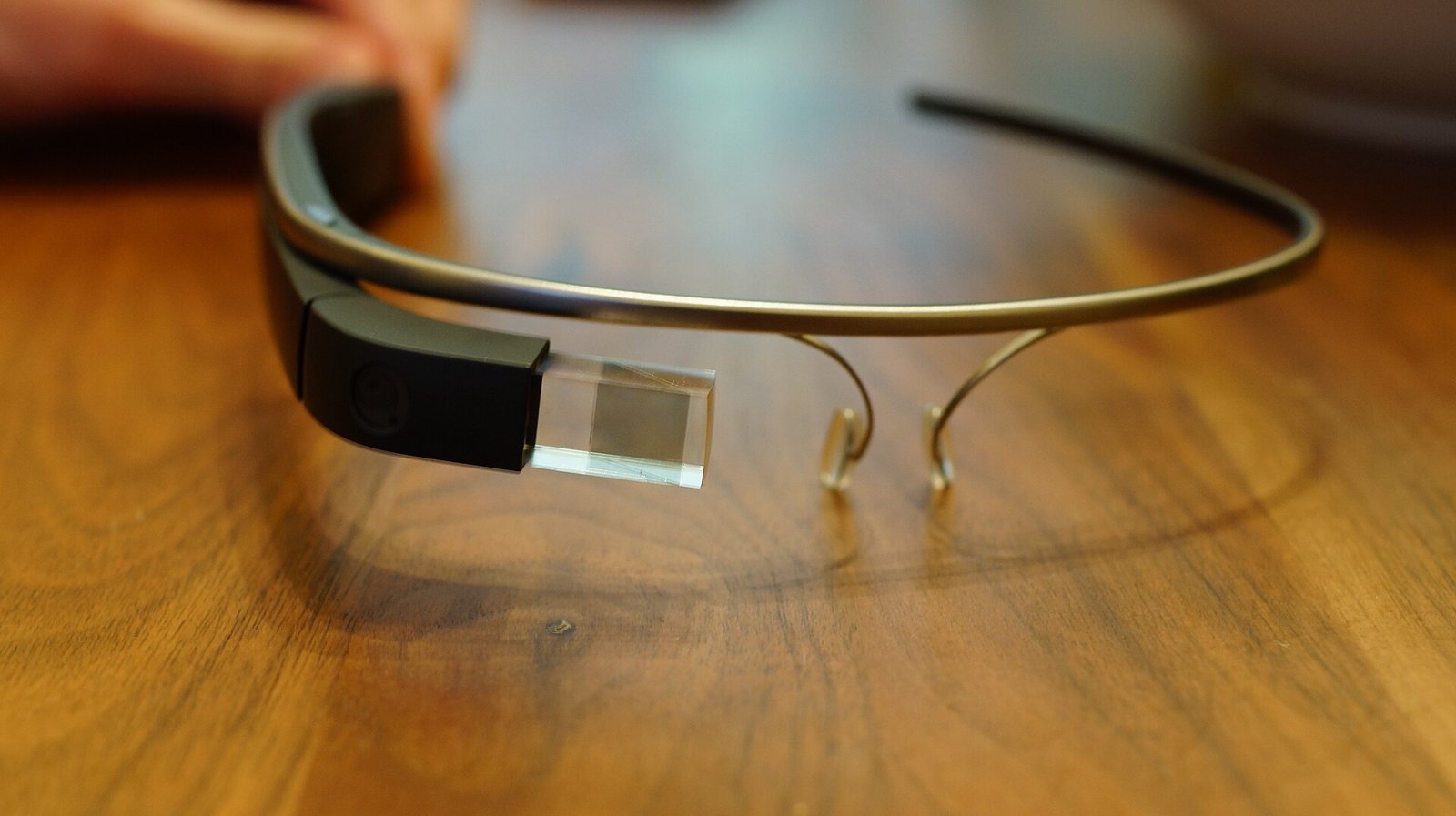
Smart glasses face privacy lawsuits and venue bans ahead of Connect
Reuters documents Meta-style AI glasses drawing U.S. lawsuits over bystander recordings used in cloud training, while U.K. venues including Wetherspoon restrict the frames. Camera-free designs and local processing are the industry’s proposed trust fixes as Connect arrives.
Privacy fears are colliding with tech’s bet that camera-equipped AI glasses can challenge the smartphone, Reuters reported, with Meta’s Ray-Ban-style frames at the center of U.S. lawsuits and U.K. venue restrictions just as Meta Connect tees up camera-free alternatives.
A consumer suit represented by Ryan Clarkson alleges annotators reviewed footage of people in bathrooms, changing clothes, and handling financial information after recordings uploaded to Meta servers for AI training, often without bystander awareness. Meta says an always-on recording light protects bystanders, that covering the light disables the camera, and that it disagrees with the lawsuit’s claims while filtering identifying information. Heise and related coverage have tracked expanding litigation focused on filmed bystanders. In the U.K., venues including pub chain Wetherspoon have restricted the glasses over covert-recording concerns.
Device makers are experimenting with trust-building form factors. Meta is expected to show camera-free Luna glasses at Connect. Samsung plans later-2026 entry via Gentle Monster and Warby Parker partnerships but does not see glasses replacing phones. OpenAI’s Sam Altman has argued always-on contextual devices will need local processing rather than continuous cloud upload. Startups market camera-free or deliberate-capture designs as consent-first alternatives.
IDC analysts note smartphones once faced similar microphone unease and that social demand is consent and awareness, not a total ban. The commercial prize is a slice of a smartphone market worth more than $600 billion; the adoption risk is that always-on sensing becomes the barrier if courts and venues conclude bystander privacy was an afterthought. Officials and independent outlets continue updating confirmed details as they become available.
Where outlets agree Reporting agrees lawsuits and venue bans target camera glasses’ bystander capture while makers pitch camera-free designs.
Where they differ Meta disputes key lawsuit claims; advocates say recording lights do not equal informed consent.