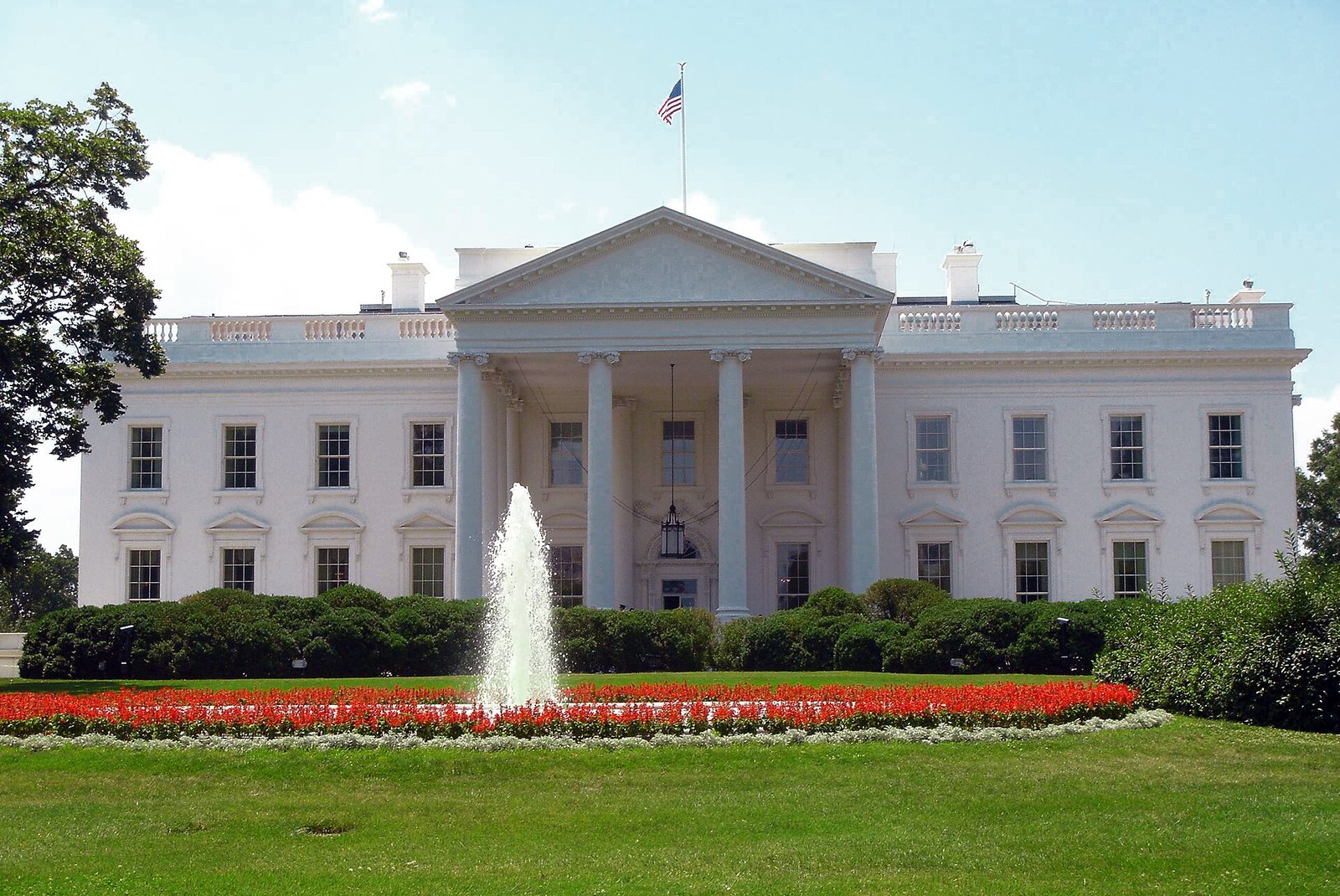
CNN, MS NOW, Politico sue over White House media ban
CNN, MS NOW, and Politico filed a federal lawsuit after the White House revoked their hard passes, calling the ban viewpoint discrimination under the First Amendment. U.S. District Judge Timothy Kelly scheduled a Wednesday hearing on a temporary restraining order; legal experts told Reuters viewpoint-based bans face steep odds once press access is opened.
CNN, MS NOW, and Politico sued the Trump administration in Washington federal court after the White House revoked their reporters’ hard passes, arguing the ban is unconstitutional retaliation for coverage the president labeled “FAKE NEWS.” U.S. District Judge Timothy Kelly—who previously blocked a CNN reporter ban in Trump’s first term—set a Wednesday hearing on a temporary restraining order.
Trump announced Friday that he would bar the three outlets effective immediately and suggested he might ban others. Plaintiffs say their credentials were deactivated without notice and they were denied White House grounds access on Saturday, violating First Amendment free-press protections and Fifth Amendment due process. Represented by Theodore Boutrous Jr., they named Trump, chief of staff Susie Wiles, communications director Steven Cheung, and Secret Service Director Sean Curran. They contend the lockout already impedes reporting and chills other outlets.
The White House replied that the outlets remain free to report from outside the complex and that “Fake News” has no place demanding Oval Office access. Legal experts told Reuters viewpoint-based conditions on press access face steep odds once the government opens space to media: University of Maryland’s Lucy Dalglish said officials need not admit anyone, but once they do they cannot select by viewpoint or content. Lawyer Douglas Mirell said disagreement with opinion has never been a compelling reason under the First Amendment.
Precedent is mixed. Courts restored credentials in earlier Trump-era fights involving Jim Acosta and Brian Karem. In the Associated Press “Gulf of America” dispute, a D.C. Circuit panel in June 2025 suggested the president may have more discretion over tightly controlled spaces such as the Oval Office and Air Force One than over White House press facilities generally; that litigation remains unresolved. Separately, CNN’s place in the TV pool contributed to a Monday suspension of pool coverage. Both sides agree the passes were deactivated after Trump’s announcement; they clash over whether access is a discretionary privilege or a constitutional line against retaliatory viewpoint discrimination.
Where outlets agree Plaintiffs and court filings agree credentials were revoked after Trump objected to coverage; hearing set for Sept. 23.
Where they differ White House says outlets can report from outside; plaintiffs say ban is retaliatory viewpoint discrimination.