Brent slips near $100 on Hormuz reopen talk
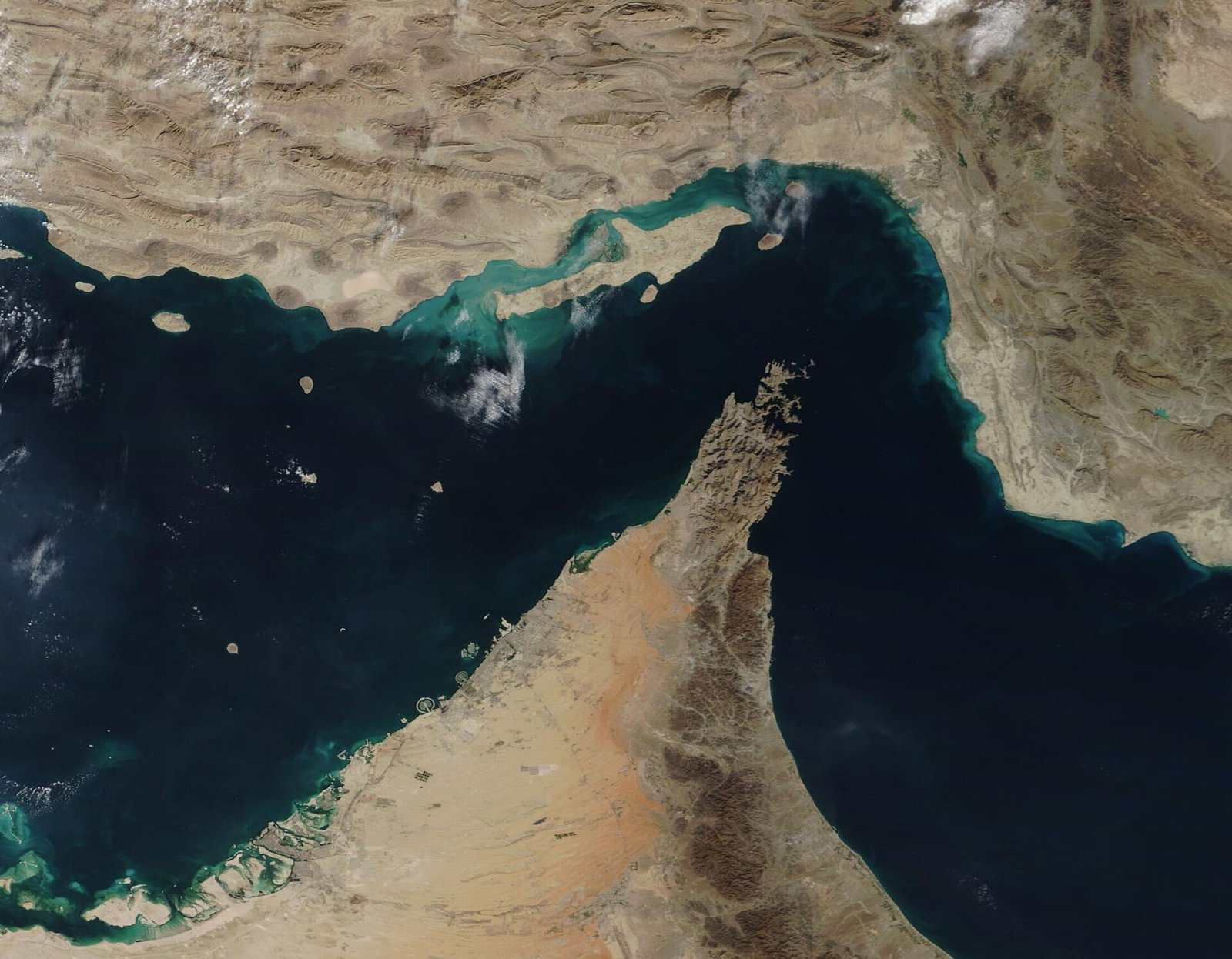
Crude eased Tuesday after reports Iran offered to reopen the Strait of Hormuz within seven days if the U.S. eases military pressure and lifts a port blockade. Reuters also cited Saudi East-West Pipeline restarts and UN-week diplomacy hopes as cooling the prior oil spike.
Brent crude slipped below $100 a barrel Tuesday as markets priced a possible diplomatic thaw around the Strait of Hormuz and operational relief from Saudi Arabia’s East-West Pipeline restart, cooling a wartime oil spike that had helped push U.S. diesel to record territory.
Reuters reported a senior Iranian official saying Tehran could reopen Hormuz within seven days if the United States eases military pressure and lifts its blockade of Iranian ports. Morning Bid also cited Kyodo’s earlier account of the offer and said Saudi pipeline operations had restarted, combining with UN-week diplomacy hopes to drive Monday’s general retreat in crude. Traffic through Hormuz has improved from the worst wartime levels with U.S. Navy escorts, other coverage notes, but remains well below pre-war norms; Houthi activity near Bab al-Mandab and Iran-backed attacks on Saudi infrastructure continue to inject risk premia.
The oil soft patch coincided with an AI-equity rebound, giving stocks a dual tailwind. Still, structural disruption persists: the Iran war nears seven months, Pezeshkian will not meet Trump at UNGA per Iranian sources, and Trump’s own UN rhetoric mixed annihilation threats with talk of a post-midterm deal. Ukraine-related diesel strain—Trump saying Russia “lost control” of diesel refining after Ukrainian drones—adds another supply shock markets must parse separately from Hormuz headlines.
For traders, the near-term message is conditional optimism: reopen talk and pipeline restarts can knock prices off recent highs without restoring pre-war baseline flows. Confirmation would require tangible U.S.–Iran steps beyond mediated proposals dated September 16. Until then, crude remains a geopolitics barometer as much as a supply ledger.