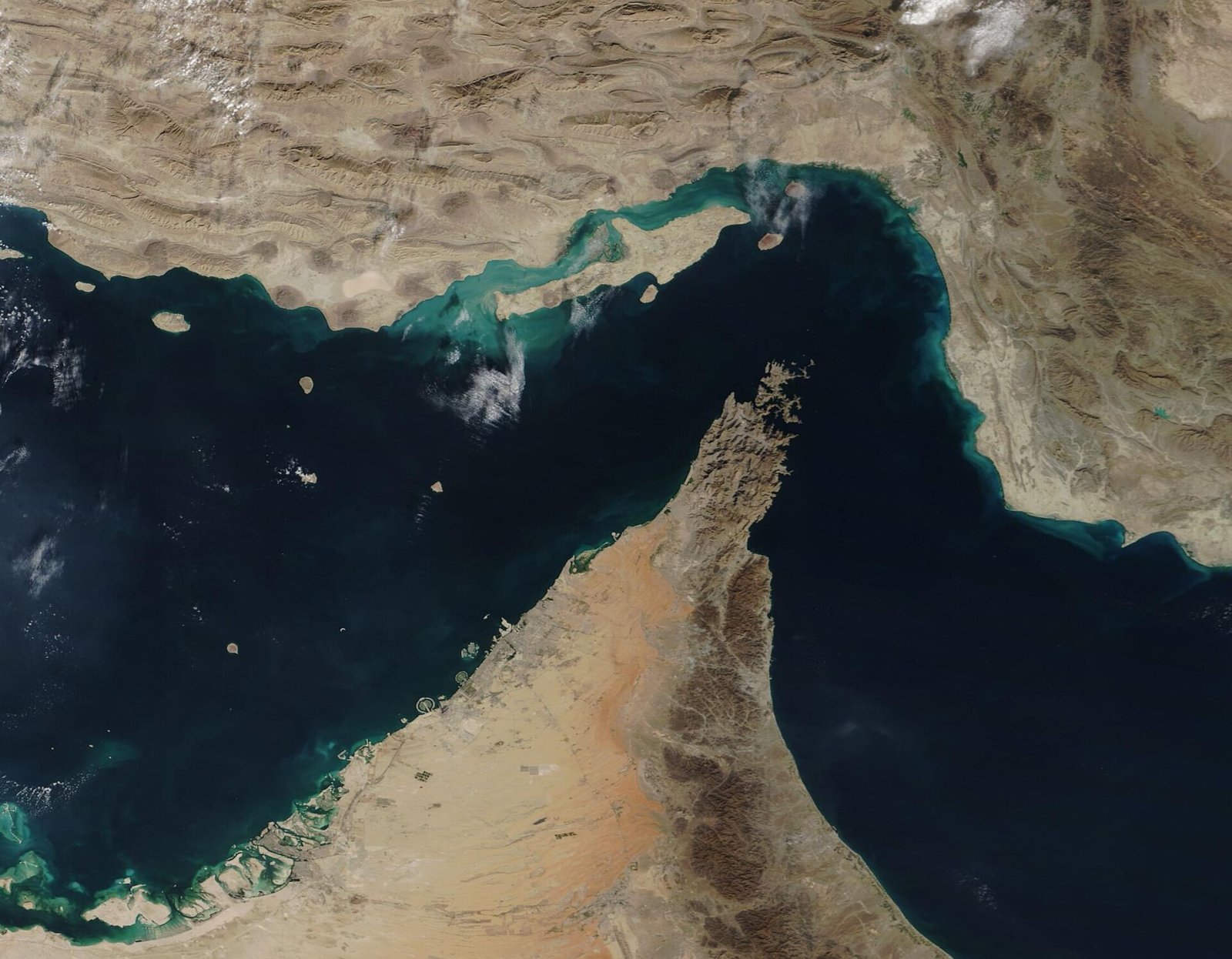
Iran offers Hormuz reopen if U.S. eases pressure
A senior Iranian official told Reuters Tehran could reopen the Strait of Hormuz within seven days if Washington eases military pressure and lifts its blockade of Iranian ports. Iranian President Masoud Pezeshkian is in New York for UNGA but will not meet Trump, the official said.
A senior Iranian official told Reuters on Tuesday that Tehran could reopen the Strait of Hormuz within seven days if the United States eases military pressure and lifts its blockade of Iranian ports, presenting UN General Assembly week as a “golden opportunity” to revive diplomacy.
The official said Washington must announce it wants a diplomatic path, make that official, and agree on a timeline; Iran’s UNGA delegation, the official added, has full authority to restart talks. Tehran’s proposal was delivered through mediators on September 16. Iranian President Masoud Pezeshkian arrived in New York but will not meet Trump, the official said; details of any end to hostilities could still be discussed via mediators.
The offer arrives amid heightened military rhetoric. On Sunday, Iran’s military central command said it had been informed the U.S. was preparing to restart operations with regional support and warned of retaliation “without limitations.” Separately, CNA and market reports have described Hormuz traffic as improved from wartime lows with U.S. Navy escorts, yet still well below pre-war levels, with Brent crude near $100. Saudi Arabia’s East-West Pipeline restart and UN-week diplomacy hopes contributed to softer oil prices Tuesday, Reuters Morning Bid reported—though Houthi threats near Bab al-Mandab and Iran-backed attacks continue to spook energy markets.
Qatari officials have spoken of a “deep deficit of trust” and argued the conflict will end at a negotiating table sooner or later. Trump, in his UN speech, threatened annihilation while also predicting a post-midterm deal and later saying Kushner and Witkoff had a “very good” meeting with Iranians. Agreement in the sourcing is that Iran floated a conditional Hormuz reopen tied to eased U.S. pressure; conflict is whether Washington will treat the offer as credible diplomacy or a tactical pause demand amid an active war.
Where outlets agree Iranian side says a mediated proposal was delivered Sept. 16 and UN week is a diplomacy window.
Where they differ Iran warns of unlimited retaliation if U.S. operations restart; U.S. has not publicly accepted the Hormuz timeline conditions.