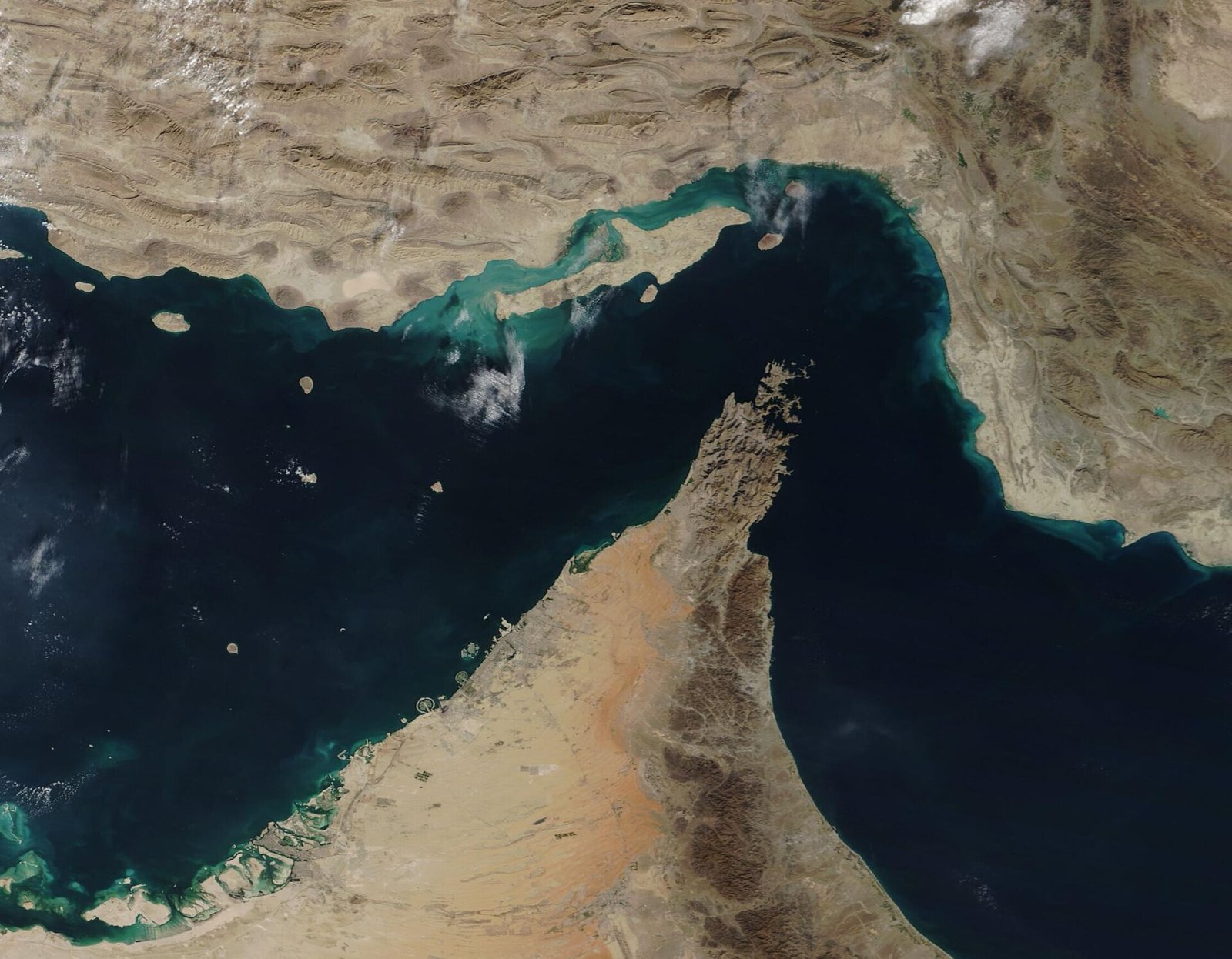
Hormuz traffic collapses to just three ships on Wednesday, data show
Ship-tracking data showed only three vessels transiting the Strait of Hormuz on Wednesday, Reuters reported, underscoring how tightly the Iran war has squeezed a waterway that once carried ~20% of global oil. Coverage continues to develop.
The number of ships transiting the Strait of Hormuz fell to three on Wednesday, ship-tracking data showed, Reuters reported Thursday—an extraordinary drop for a chokepoint that previously handled about a fifth of global oil and LNG.
Iran says the strait remains closed until the U.S. lifts its blockade of Iranian ports; Washington describes naval efforts to guide limited traffic while enforcing pressure. Each scarce transit becomes a market-moving datapoint for crude, freight, and diesel.
The southern war’s spread toward Bab el-Mandeb compounds the problem by threatening Saudi bypass routes that exporters hoped would compensate for Hormuz risk. Energy ministries worldwide are modeling prolonged disruption scenarios into winter.
Data providers agree transit counts have collapsed; legal arguments over who “closed” the strait remain contested. Officials and independent outlets continue updating confirmed details as they become available. Readers should treat casualty figures, market closes, and diplomatic claims as provisional until primary agencies publish final tallies. NewsHabit’s both-sides notes below flag where major accounts agree and where they still diverge on motive, legality, or next steps. Officials and independent outlets continue updating confirmed details as they become available. Readers should treat casualty figures, market closes, and diplomatic claims as provisional until primary agencies publish final tallies. NewsHabit’s both-sides notes below flag where major accounts agree and where they still diverge on motive, legality, or next steps. Officials and independent outlets continue updating confirmed details as they become available. Readers should treat casualty figures, market closes, and diplomatic claims as provisional until primary agencies publish final tallies. NewsHabit’s both-sides notes below flag where major accounts agree and where they still diverge on motive, legality, or next steps.
Where outlets agree Reuters data reporting agrees Hormuz transits plunged to a handful of ships.
Where they differ Tehran and Washington still offer opposing legal narratives for the squeeze.