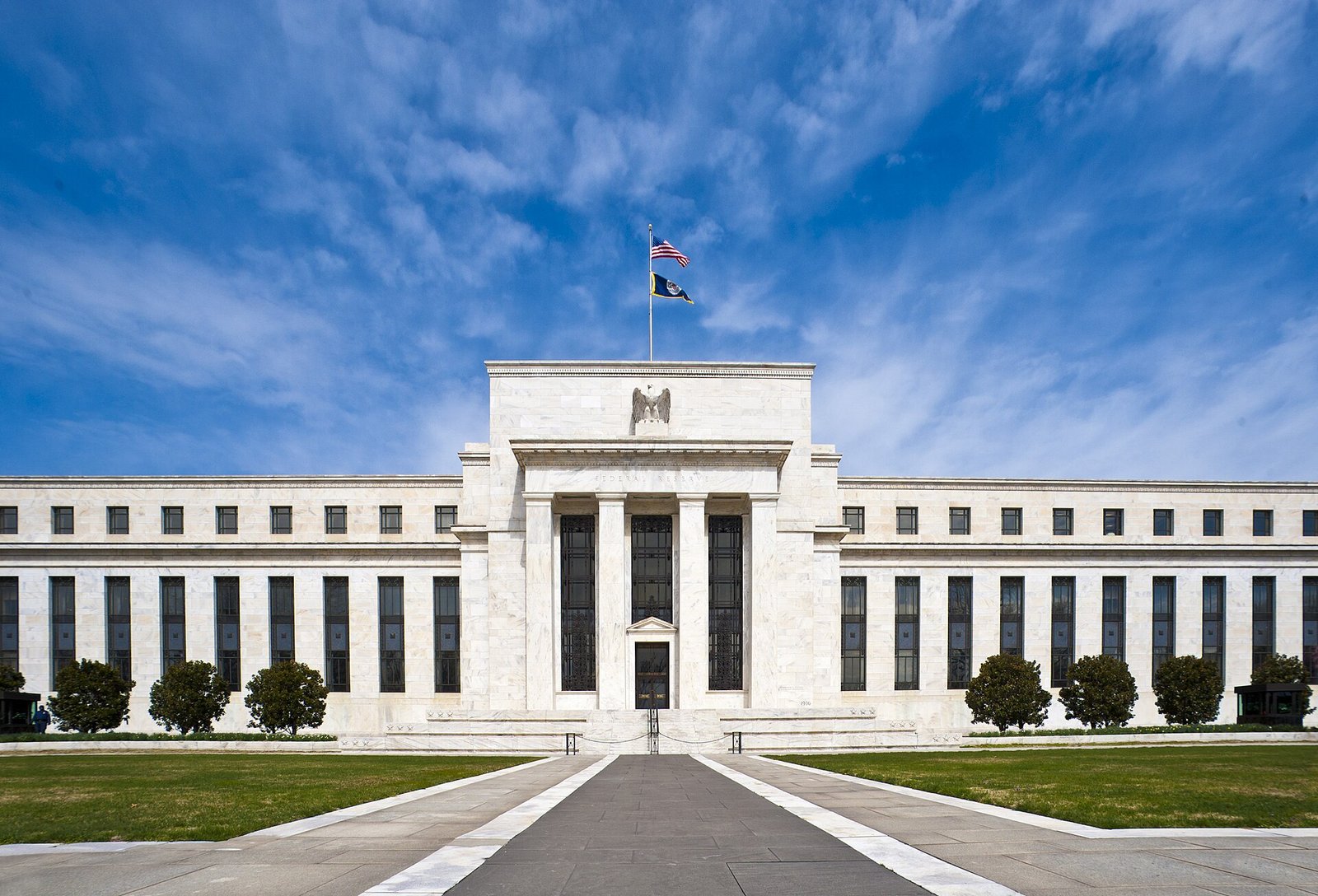
Fed raises rates for first time since 2023 as Warsh fights Iran-war inflation
The Federal Reserve raised its benchmark a quarter point to 3.75%–4% on Wednesday, the first hike since July 2023, citing Iran-war and AI-driven inflation. Chair Kevin Warsh’s hawkish press conference sent stocks lower into the close.
The Federal Reserve on Wednesday raised the federal funds rate by a quarter percentage point to a range of 3.75%–4%, its first increase since July 2023, as Chair Kevin Warsh framed the move as support for a “timelier” return to the 2% inflation goal.
Officials cited inflation that has picked up since early in the year amid the seven-month U.S.–Israel war with Iran, which has disrupted energy shipping through the Strait of Hormuz and raised second-round risks in freight and fares. Policymakers also pointed to AI-related cost pressures and a resilient labor market that left room to focus on prices. The decision was unanimous.
In the post-meeting press conference, Warsh repeatedly said inflation remains too high and that the economy appears to be strengthening—language markets read as leaving the door open to further tightening. Dot-plot style forecasts from officials suggested rates may need to go higher still this year.
U.S. stocks slipped after initially holding gains: the Dow fell about 631 points (−1.2%), the S&P 500 about 0.4%, and the Nasdaq was nearly unchanged. Bank shares underperformed as the yield curve implications of higher short rates weighed on lenders. Brent crude slipped 2.7% to roughly $105.83, its first drop of the week after trading near $110. Officials and independent outlets continue updating confirmed details as they become available. Readers should treat casualty figures, market closes, and diplomatic claims as provisional until primary agencies publish final tallies. NewsHabit’s both-sides notes below flag where major accounts agree and where they still diverge on motive, legality, or next steps.
Where outlets agree Outlets agree the Fed raised 25 bp to 3.75–4% unanimously and Warsh emphasized still-too-high inflation tied partly to the Iran war.
Where they differ Analysts differ on whether Wednesday’s hike is a one-and-done credibility reset or the start of a multi-meeting tightening path into year-end.